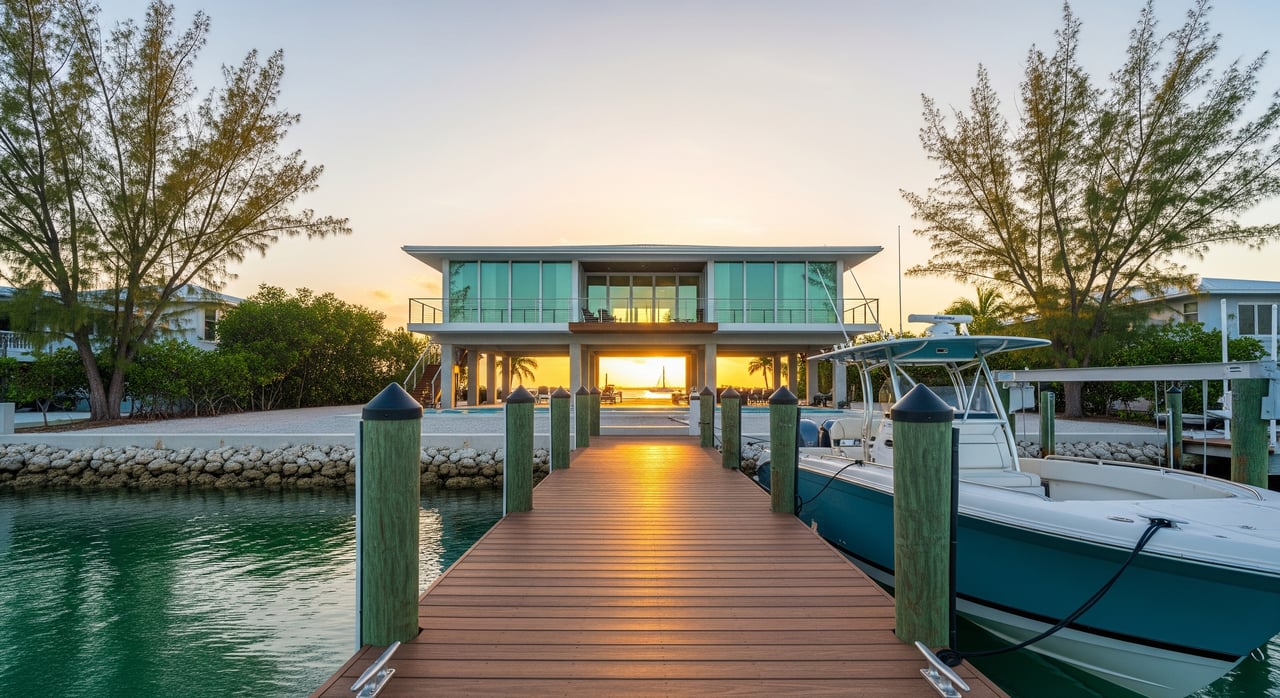
Thinking about a vacation rental or second home in Marathon? Before you fall in love with a view, get clear on how you will manage the property. In the Keys, licenses, taxes, and local response plans shape your operating costs and your returns. In this guide, you will learn the rules, the real costs, and the management options that work in Marathon so you can buy with confidence. Let’s dive in.
Marathon rental rules and licenses
Marathon has specific rules for vacation rentals. The city runs its own licensing and life‑safety inspection program, requires a local contact, and prohibits advertising a rental without a valid license number. You can review city requirements and the public registry on the City of Marathon’s vacation rental page.
If you plan to operate inside city limits, review the city’s step‑by‑step list of required documents. Applicants generally need a Florida sales tax certificate, a State DBPR public‑lodging license, a Monroe County business tax receipt, and a Tourist Development Tax account before the city issues its VACA or VRA number. The city also requires agent training for owner or agent managers.
City vs. county rules
Rules change outside the city. In unincorporated Monroe County, the Special Vacation Rental Program limits short stays in many zones to 28 days or more unless a property qualifies and obtains both a Special Vacation Rental Permit and a Vacation Rental Manager license. These permits are nontransferable, which means a new owner must re‑apply and approval is not guaranteed. Always verify the parcel’s zoning map and permit status early in your process.
State public‑lodging license
Florida classifies vacation rentals as public lodging. Before you operate, apply with the Department of Business and Professional Regulation under the correct vacation rental category. City and county licenses often require this state license first, so plan your sequence and timeline around the DBPR checklist.
Taxes to model now
Short‑term stays under six months trigger two separate taxes. The Monroe County Tourist Development Tax is 5 percent of gross rental receipts and is filed monthly with the Tax Collector. Platforms do not remit this county TDT for you, so confirm who will collect, file, and pay it.
You also owe Florida sales and use tax plus the county discretionary surtax. For Marathon and Monroe County, the typical combined sales tax rate is 7.5 percent. This sales tax is in addition to the 5 percent TDT, and you should confirm the exact rate for your property’s address before setting pricing.
Choose your management model
You have several ways to run a Marathon rental. Decide early so you can buy a property that fits your plan and budget.
- Self‑management. You handle listings, guest communication, turnovers, vendor calls, and taxes. This can lower direct fees, but it requires a 24/7 plan for lockouts, maintenance, and post‑storm checks.
- Full‑service local manager. You trade a revenue share for marketing, bookings, guest support, turnovers, tax handling, and a vetted vendor network. In strong vacation markets, full‑service fees commonly range around 15 to 35 percent of gross rental revenue, with separate cleaning and pass‑through charges.
- Hybrid or à la carte. Some firms offer marketing‑only or booking‑only help while you keep cleaning or vendor control. Expect tiered packages and potential onboarding fees.
- Co‑hosting or platform partners. A co‑host can handle guest messaging and check‑ins for a smaller fee. In Marathon or Monroe County, the on‑call manager may need to be licensed, so verify compliance before you hire.
Manager interview checklist
Ask detailed, local questions so you can compare apples to apples.
Licensing and compliance
- Do you hold the required Marathon or Monroe County manager license, and under what DBPR registration do you operate? How will you assist with city or county permits and the fire safety inspection?
Fees and payouts
- What is your full fee schedule, including management percentage, onboarding, setup, accounting, maintenance coordination, and any minimums? Can you share a sample owner statement that shows gross revenue, itemized fees, taxes, and net payout?
Operations and vendor network
- Who are your local vendors for cleaning, pool, pest, HVAC, electrical, and plumbing? What are your typical emergency response times and after‑hours procedures?
Damage protection
- How do you screen guests, collect deposits, document issues, and pursue claims? Do you carry host liability coverage or require trip insurance?
Performance and contracts
- Provide 12 months of performance for a comparable property, including occupancy, average daily rate, and gross revenue. What is your contract length, termination terms, and process for transferring listings and data if we part ways?
Hurricane protocol
- Share your written hurricane plan. Who shutters, shuts off utilities, documents damage, and coordinates reopening after a storm?
Owner responsibilities and costs
Plan for these recurring tasks and budget lines so your cash flow stays healthy.
- Taxes and licensing. Register for Florida sales tax, open a Monroe County TDT account, and obtain the Monroe County business tax receipt. If you are in the City of Marathon, secure the vacation rental license after you have the required state and county items. Keep 12 months of TDT receipts for renewals.
- Safety and inspections. City and county permits include life‑safety inspections. Expect requirements for smoke and CO detectors, fire extinguishers, exit signage, and pool alarms, plus inspection or re‑inspection fees if items are not compliant.
- Insurance and flood. Standard homeowners policies usually do not cover short‑term rental use. Speak with your insurance agent about a short‑term rental endorsement or a landlord or commercial policy, and evaluate flood and wind coverage. Use FEMA’s Flood Map Service Center to confirm the flood zone and FloodSmart to understand NFIP options.
- Maintenance and turnovers. Budget for cleanings, linens, pool and pest service, dock or boat lift care if applicable, and HVAC service. Salt air accelerates wear on appliances, HVAC, and metalwork in the Keys, so set aside healthy reserves.
- Utilities and amenities. In most STRs, you pay for electricity, water, internet, and cable. Marathon service commonly includes water from the Florida Keys Aqueduct Authority and electricity from the Florida Keys Electric Cooperative; confirm the providers for your address.
- Hurricane and post‑storm plan. Have a written plan for shuttering, boat removal or securing, damage checks, claims, and refunds or cancellations. Review local resources and evacuation guidance so your team knows how to mobilize.
Pre‑purchase due diligence
Do your homework before you write an offer. The details below can make or break your rental strategy.
- Zoning and permitted use. Confirm whether nightly or weekly rentals are allowed at that exact address. If a property is marketed as a short‑term rental, verify the active license and remember many permits are not transferable to a new owner.
- HOA or condo rules. Review association documents for rental restrictions, minimum stays, approval processes, and insurance standards. Association rules can be more restrictive than city or county rules.
- Licensing pre‑check. Confirm the DBPR license path, Florida sales tax certificate, Monroe County business tax receipt, TDT account, and the City of Marathon license steps. Plan for a life‑safety inspection during issuance.
- Compliance history. Ask for the last 12 months of TDT returns, any code‑enforcement notices, and proof of passing inspections. Some renewals require current TDT receipts.
- Flood and insurance. Check FEMA flood maps, then get quotes for NFIP or private flood along with wind and hurricane coverage. Premiums and required coverage can affect your closing timeline and long‑term costs.
- Vendor and manager readiness. Line up bids and draft service agreements for cleaning, pool, and storm prep. Interview at least two local managers and compare fee schedules and inclusions side by side.
Build your local team
Create a contact list you can activate on day one. Here are focused questions to ask vendors in the Keys.
- Plumber, electrician, HVAC
- Are you licensed in Monroe County and familiar with salt‑corrosion issues? What is your emergency response window and after‑storm availability? What A/C maintenance cadence do you recommend for the Keys?
- Pool service and marine contractor
- Are you insured for dock and boat lift work? Do you offer pre‑hurricane securing or removal and a fast post‑storm response?
- Housekeeping and linen
- How many peak‑season turnovers can you handle per day, what is your quality control checklist, and how do you handle linen and furnishing replacement?
- Pest control
- What is your preventive schedule, and how fast can you respond to guest complaints or seasonal spikes?
- Locksmith and security
- Which keypad or smart lock systems allow owner admin access, and how do you handle lock changes after damage or misconduct? Confirm any camera or privacy rules for the property or association.
Ready to buy with a plan?
When your management approach is set before you shop, you protect your budget and your peace of mind. If you want local, practical guidance on licensing steps, vendor referrals, and which properties fit your plan, reach out to Christopher Tanaka for a Keys‑specific strategy session.
FAQs
Can you do nightly rentals in Marathon, Florida?
- It depends on location and licensing. Inside city limits you must hold a City of Marathon vacation rental license and a state DBPR license. In unincorporated Monroe County, many zones limit rentals to 28 days or more unless a property qualifies for a Special Vacation Rental Permit and has a licensed manager.
What taxes apply to a Marathon short‑term rental?
- You typically owe 5 percent Monroe County Tourist Development Tax on stays under six months and about 7.5 percent combined Florida sales and use tax. The county TDT is filed monthly by the owner or manager, and platforms generally do not remit it to the county for you.
Are Monroe County vacation rental permits transferable to a buyer?
- Special Vacation Rental permits are not transferable. If you buy a property with a permit, you should plan to apply as the new owner and confirm eligibility in that zone.
How much do local managers charge in the Keys?
- Full‑service vacation rental managers in strong markets commonly charge around 15 to 35 percent of gross rental revenue, with separate cleaning and pass‑through fees. Compare exact inclusions and owner payout schedules.
What insurance should you consider for a Keys STR?
- Ask an insurance agent about a short‑term rental endorsement or landlord or commercial policy, and evaluate flood, wind, and hurricane coverage. Use FEMA flood maps to confirm zones and FloodSmart to learn NFIP options.
Who usually pays utilities for a Marathon STR?
- Owners typically pay for electricity, water, internet, and cable. Confirm providers for your address, such as the Florida Keys Aqueduct Authority for water and Florida Keys Electric Cooperative for power.