Wondering whether Big Pine Key or Little Torch Key better fits your day-to-day life? You might be weighing quiet streets, boating access, and the kind of community that feels like home. This guide breaks down lifestyle, housing, access, and ownership details so you can choose with confidence. Let’s dive in.
Where they sit and how you get around
Both islands sit in the Lower Florida Keys along U.S. 1, with Little Torch Key just south of Big Pine Key. You’ll drive for most errands and appointments, and actual travel time depends on the exact address and traffic. Plan to check drive-time ranges from a specific property to places you frequent, like Key West, Marathon, and the airport.
There’s no passenger rail, and limited shuttles are not a substitute for owning a car. For flights, you’ll use Key West International or Marathon, depending on routes and timing.
Lifestyle snapshot: feel and amenities
Big Pine Key
Big Pine Key is larger and more spread out, with a mix of neighborhoods, small commercial clusters, and substantial protected habitat within and around the National Key Deer Refuge. You’ll often see Key deer and coastal wildlife on daily walks or drives. The pace is relaxed with a rural-suburban island feel, and it tends to attract nature lovers who want some distance from tourist hubs.
You’ll find groceries, a handful of restaurants, and basic services on-island, although big-box retail and specialized medical care are farther away. Proximity to protected lands can shape daily life, including lighting and landscaping rules that help safeguard wildlife.
Little Torch Key
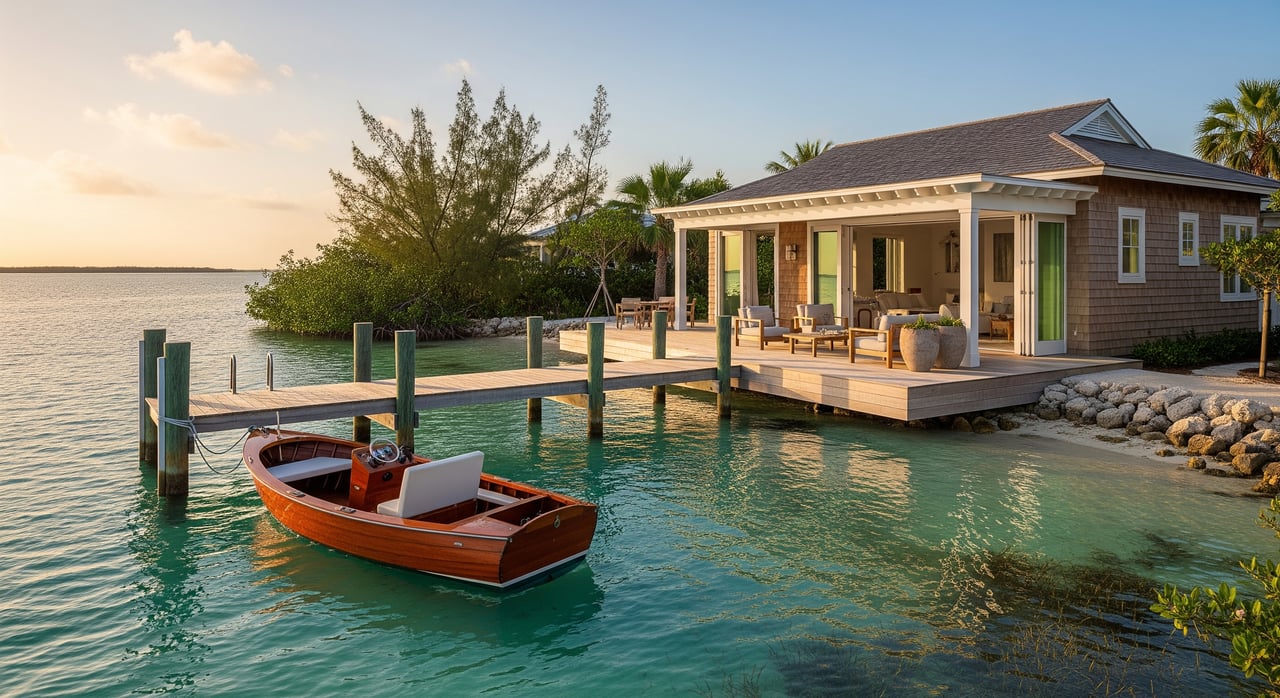
Little Torch Key is smaller and predominantly residential, which gives it a quiet, neighborhood feel. Many buyers choose it for privacy and convenient water access. There are fewer commercial areas on the island itself, so you’ll rely on nearby Keys for groceries and services.
Both islands offer a slower, more self-sufficient lifestyle than Key West. Nightlife is limited, so you’ll plan ahead for supplies, appointments, and outings.
Homes and lots: what to expect
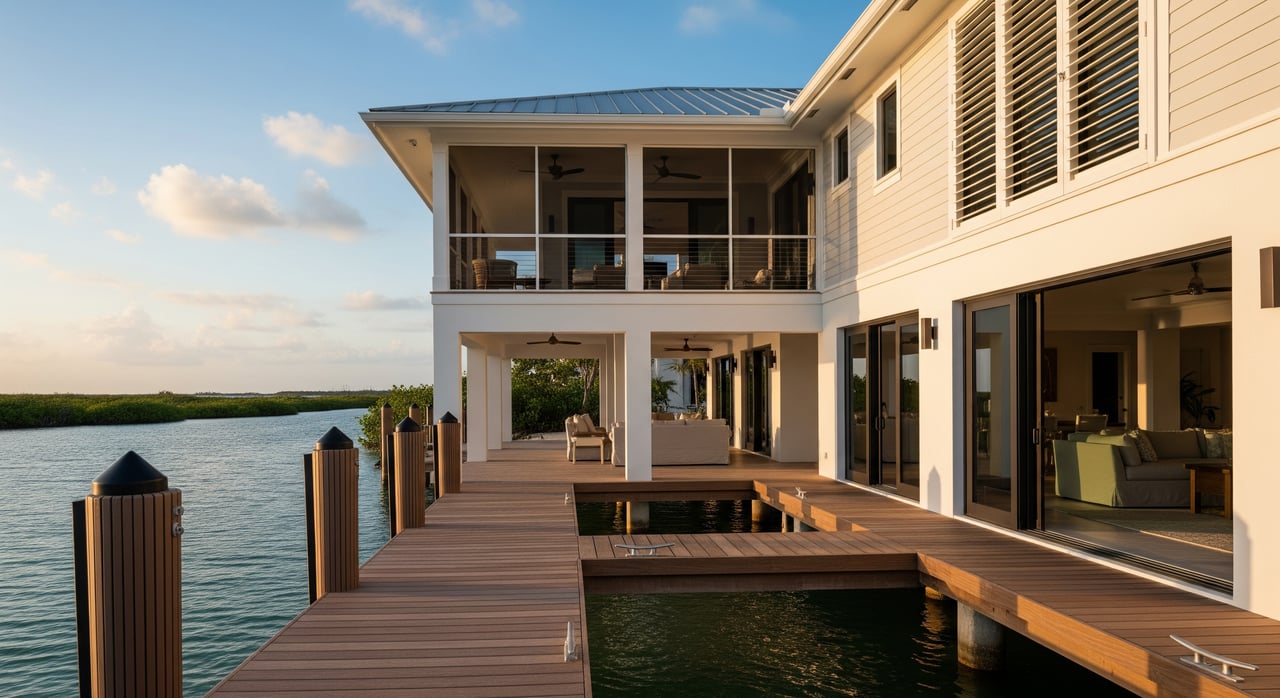
Most properties are single-family homes and cottages, often one-story or elevated on pilings. Older Keys homes are common, while newer builds typically emphasize elevation and storm-resistant features. Expect to evaluate updates like hurricane shutters, HVAC, electrical, and moisture management due to the coastal climate.
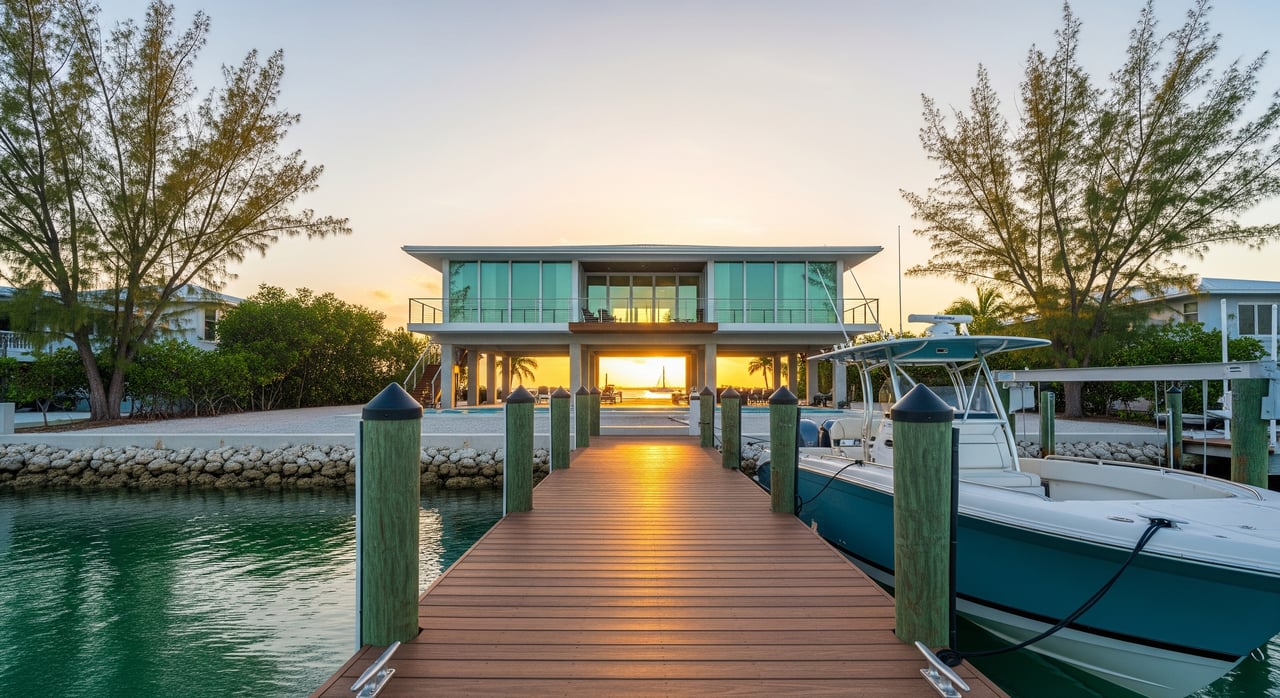
You’ll see both waterfront and inland options. Little Torch Key often has a higher concentration of canal and deeper-water parcels per acre than many parts of Big Pine Key, though you should still verify depths and clearances for your boat. Vacant lots do exist, but building can be complex due to flood elevation, wastewater, and environmental permitting.
Market dynamics across the Lower Keys reflect limited supply and slower turnover compared with the mainland. Pricing is shaped by water access, dockage, elevation, condition, and potential rental use where permitted. For accurate comps, you’ll want current local MLS data and county records.
Utilities, permits, and insurance
Ownership on the islands comes with coastal details worth confirming in writing.
- Wastewater: Some areas connect to centralized sewer while others still use septic. Verify connection status, permitting, and recent inspections.
- Flood and elevation: These low-lying islands face coastal flooding and storm surge. Review flood zones and secure an elevation certificate to help estimate flood insurance premiums.
- Building and shoreline work: New construction and improvements must meet Florida Building Code and Monroe County requirements. Docks, seawalls, and shoreline projects require county and often state or federal permits.
- Insurance: Expect wind and hurricane considerations. Flood insurance is widely recommended and often required by lenders in mapped flood zones. Work with local brokers who understand Monroe County.
- Connectivity: Internet and cell coverage can vary by neighborhood. Check address-level service and run speed tests if you plan to work remotely, and consider backup options.
- Environmental rules: Protected species and conservation areas influence lighting, clearing, and building footprints. This is especially relevant on and around Big Pine Key due to Key deer habitat.
Boating and waterfront access
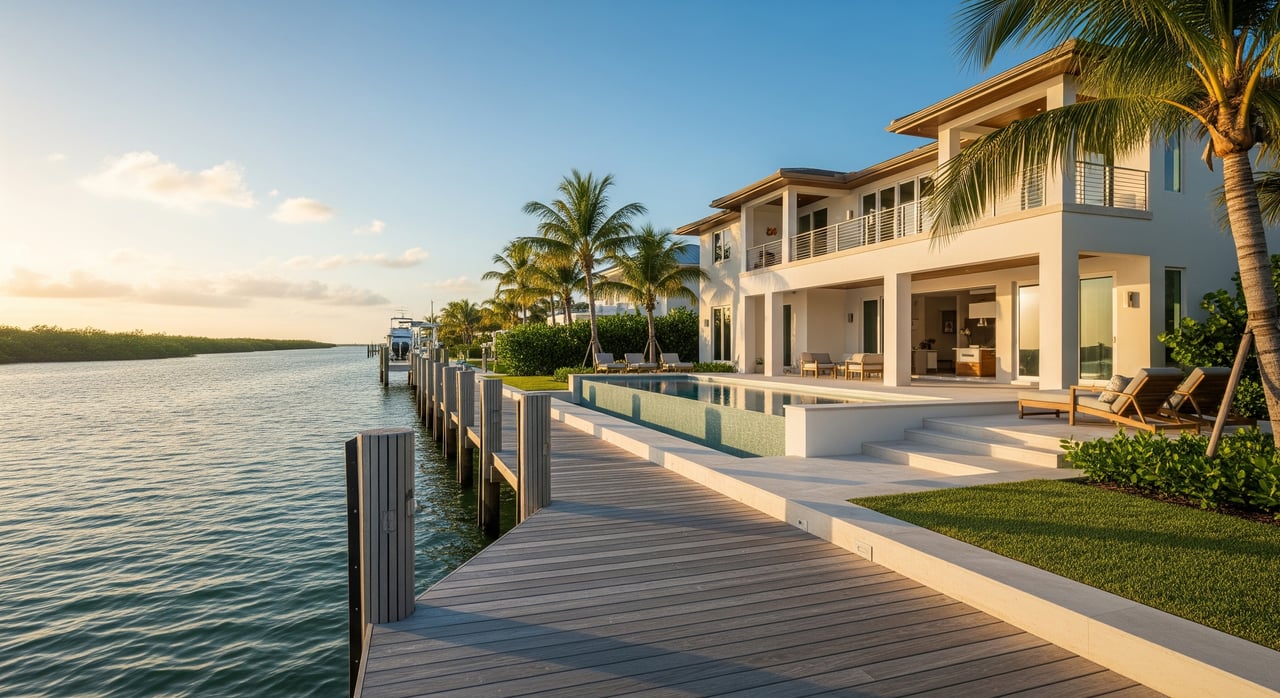
Waterfront here includes canal-front, bayside, and open Gulf-facing properties. Canal depths and navigability vary, so not every waterfront lot supports larger boats. If boating is your priority, confirm water depth, bridge clearances, and tidal conditions for your specific route.
Docks and lifts require permits and must comply with local guidelines. Shoaling and tidal swings can affect access, and mangroves are heavily protected. Match your boat size and frequency of use to the lot’s characteristics. Some parcels are ideal for kayaks and flats fishing, while others suit deeper-draft center consoles.
Little Torch Key often offers more immediate canal or bay access from residential canals. Big Pine Key has great waterways too, including shallow flats that are important for fisheries and wildlife, so it’s essential to verify navigability for your needs.
Which island fits your goals
- You want everyday services close by: Big Pine Key offers more on-island conveniences.
- You want a smaller, quieter neighborhood feel: Little Torch Key tends to be more intimate and residential.
- You’re a nature-forward buyer: Big Pine Key’s proximity to protected habitat is a strong draw.
- You’re a boater focused on canal and deeper water access: Little Torch Key may offer more suitable options per acre, but you still need to verify depths and permits.
- You’re downsizing or retiring: Either island can work, depending on your need for services and water access.
- You’re a second-home or seasonal owner: Both islands fit, but confirm rental rules, travel times, and maintenance logistics.
Pros and cons at a glance
- Big Pine Key pros: larger community, more local services, close wildlife and conservation experiences.
- Big Pine Key cons: more environmental regulations, limited high-end marina inventory, potential for longer drives depending on address.
- Little Torch Key pros: smaller and quieter island character, strong canal and deep-water access potential on many parcels.
- Little Torch Key cons: fewer on-island services and amenities, smaller overall housing selection.
Buyer checklist for side-by-side comparison
Use this to compare individual addresses and avoid surprises.
- Flood zone and elevation certificate
- Shoreline and dock permits, canal depths, and bridge clearances
- Septic vs sewer, plus recent inspections
- Insurance quotes for home, wind, and flood
- Utility providers and a verified internet speed test at the address
- Local building codes, setbacks, and environmental restrictions
- HOA rules and fees if applicable
- Recent survey, title exceptions, and any conservation easements
- Driving time to groceries and medical care from the exact address
- Short-term rental allowances and local regulations
How we help you choose
Choosing between two great islands comes down to how you live day to day. You’ll want a guide who understands the micro-markets, the permitting landscape, and the real ownership costs of a coastal home. With local roots on Big Pine Key, construction-informed insight, and a curated vendor network, you get clear answers and a smooth path from search to closing.
If you’re ready to compare specific addresses, walk canal depths, and run realistic cost scenarios, reach out to Christopher Tanaka. Let’s find the right fit and make your move efficient, informed, and enjoyable.
FAQs
Which island is quieter and which has more services?
- Little Torch Key is typically quieter and more residential, while Big Pine Key is larger and offers more on-island services like groceries and basic retail.
What are realistic drive times to Key West or Marathon from these islands?
- Times vary by exact address and traffic. Check live maps from a specific property to your frequent destinations to see a typical range before you decide.
How much do home and flood insurance cost in the Lower Keys?
- Costs vary widely by elevation, flood zone, and wind-mitigation features. Get local quotes early and request the elevation certificate to refine estimates.
Can I build or expand a dock at a canal-front home?
- Possibly, but docks and lifts require permits, and canal depth, tides, and bridge clearances must be verified. Consult county permitting and a local marine professional.
Are short-term rentals allowed on Big Pine Key or Little Torch Key?
- Rules depend on Monroe County regulations and any local or HOA restrictions. Confirm the current rules in writing before you buy.
Is internet reliable enough for remote work on these islands?
- It depends on the street and provider. Check address-level availability, run a speed test during your typical work hours, and consider a backup option if remote work is critical.