You fall in love with the water the moment you walk in, but smart buyers know to look past the view. In Little Torch Key, the details below the surface often decide comfort, costs, and long‑term value. If you want to tour with confidence, you need a clear checklist for docks, seawalls, elevation, permits, and insurance. This guide breaks down exactly what to notice and why it matters. Let’s dive in.
Little Torch Key at a glance
Location and daily logistics
Little Torch Key sits in the Lower Florida Keys, surrounded by tidal channels, backcountry flats, and quick access to the Florida Straits and Gulf waters. You reach it on the Overseas Highway (U.S. 1), and buyers often consider drive time to Marathon or Key West for airports, groceries, marine services, and medical care. Proximity to these hubs can influence demand and daily convenience. For many, a quieter island feel with strong boating access is the draw.
Typical home styles and layouts
You’ll see a mix of single‑family cottages and ranch homes, many elevated on pilings. Two to three bedrooms are common, with open kitchen and living areas positioned for water views. On many properties, the ground level serves as garage or boat storage while living areas sit on an elevated floor. Year built matters because code updates and elevation standards affect risk, repairs, and insurance.
Utilities snapshot
The Florida Keys Aqueduct Authority (FKAA) provides water service in many areas of the Keys, so you’ll want to confirm service for a specific address. Wastewater varies by area; some homes are connected to sewer while others rely on septic or aerobic systems. Ask about sewer connection status and whether any assessments are outstanding. Electrical and communications can be more vulnerable to storm outages than inland areas, so note whether lines are overhead or underground.
Waterfront features that drive value
Dockage that fits your boat
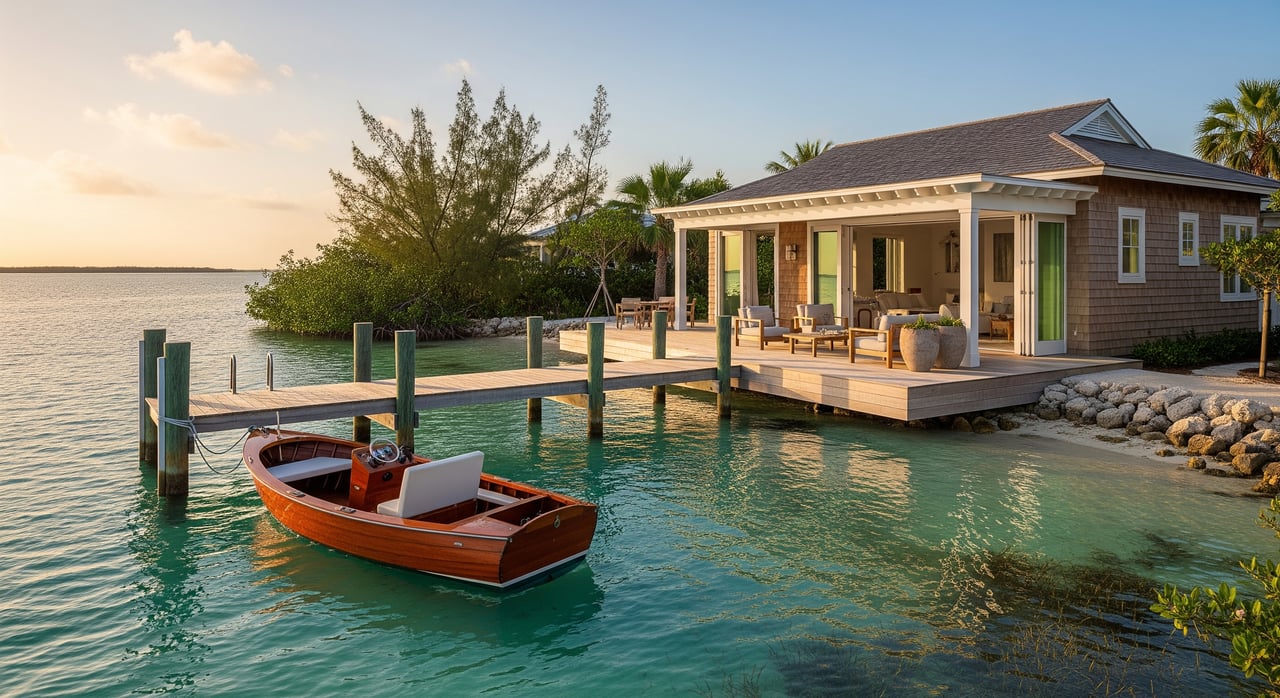
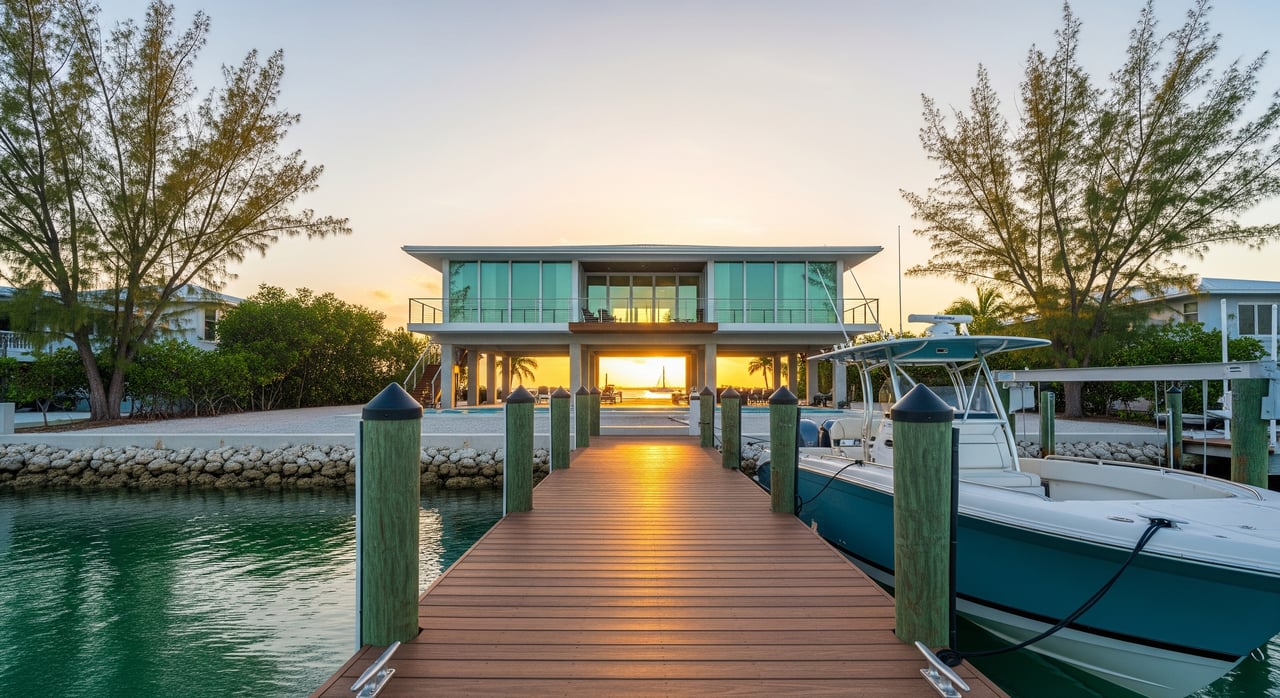
For boaters, a functional, permitted dock is the number one value driver. Look closely at fixed vs floating construction, shore power and water at the dock, and lift capacity if a boatlift is installed. Depth at low tide and the distance from the seawall to a navigable channel dictate the size and type of boat you can run. In the Keys, shallow flats and low water can limit draft, so verify navigation depth at low tide and whether a dredged channel exists.
Seawall and bulkhead condition
A sturdy seawall or bulkhead protects your yard and structures from erosion and storm surges. Red flags include tilting, separation, spalling concrete, exposed rebar, rotting timbers, or patchwork repairs with no records. Replacement or major repair is a significant expense and typically requires permits. Evidence of recent, professional upkeep can boost confidence and future resale.
Water depth and access to open water
Depth and proximity to marked channels shape day‑to‑day boating. Shorter run times to deepwater routes reduce engine wear and the need for frequent dredging. You should also ask about tidal range, historic shoaling in the canal, and whether neighbors have had to dredge. Orientation plays a role too: protection from prevailing winds can influence comfort at the dock and maintenance frequency.
Orientation, breezes, and views
East‑ or west‑facing exposure affects sunrise and sunset views, wind patterns, and how protected your dock feels in typical weather. A more sheltered exposure can mean less wear on vessels and outdoor areas. Balance the view you want with practical protection from wind and spray. Shade structures and screened spaces add comfort in peak sun hours.
Outdoor living that works in the Keys
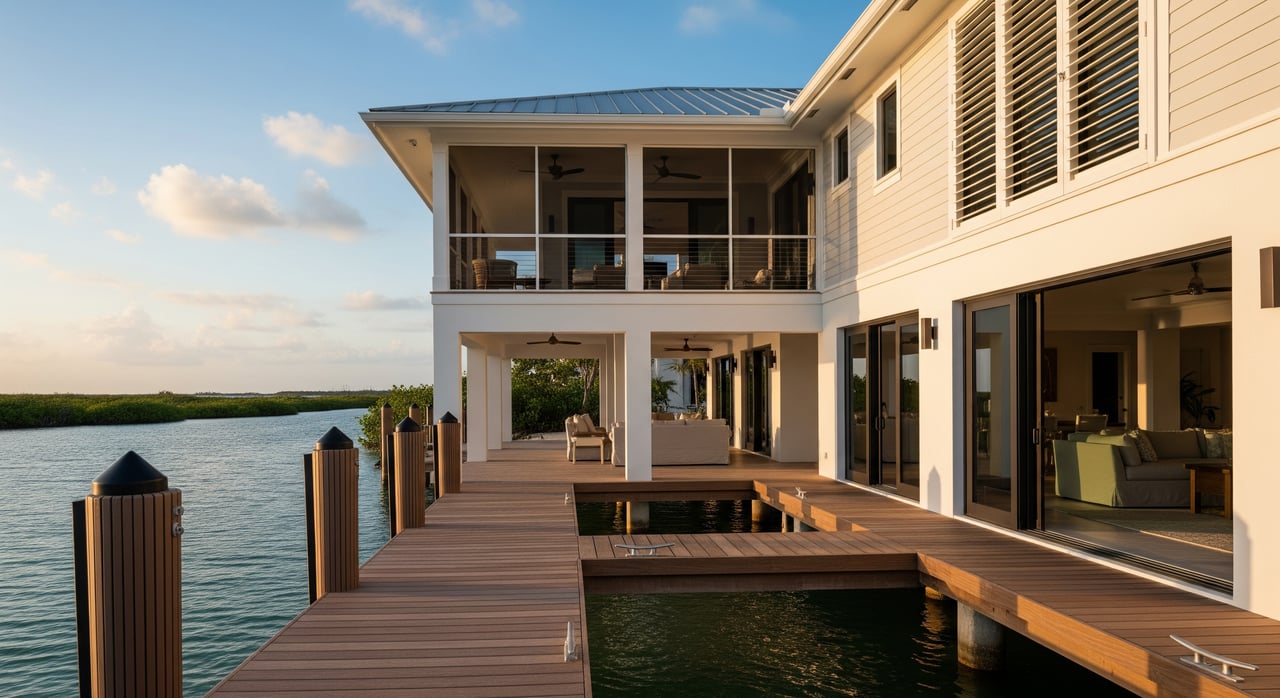
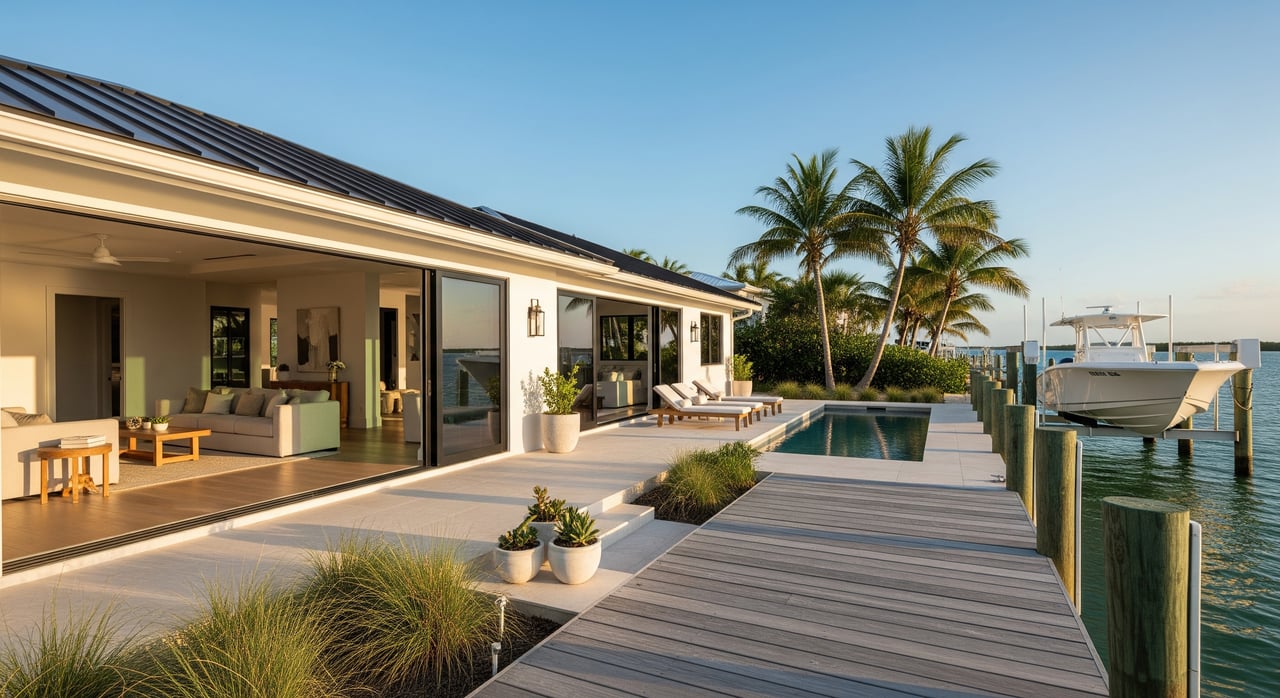
Buyers prize covered porches, screened patios, composite or marine‑grade decking, and elevated outdoor kitchens. Hurricane‑rated screens or shutters and impact‑rated openings add both comfort and resilience. Landscaping tends toward low‑maintenance, salt‑tolerant options, and native or mangrove vegetation is protected. Yards are often compact along a seawall, so layouts that maximize seating, shade, and storage stand out.
Risk, codes, and insurance to verify
Flood zones, elevation, and premiums
Much of the Keys lies in high‑flood and high‑wind zones. Many Little Torch Key parcels fall in FEMA AE or VE flood zones where Base Flood Elevation (BFE) sets the standard for design and insurance. A home’s elevation relative to BFE, plus any freeboard, will influence flood insurance availability and cost. Wind‑mitigation features like impact windows, roof straps or clips, and an elevated structure can help reduce premiums.
Permits and environmental rules
Waterfront work is regulated by several agencies. Docks, boatlifts, dredging, and shoreline changes may require approvals through Monroe County, the Florida Department of Environmental Protection, and the U.S. Army Corps of Engineers. If a dock extends over state‑owned submerged lands, special leases or permits can apply. Mangroves and seagrass are protected, and trimming or construction near them often needs authorization and mitigation.
Ownership costs and maintenance reality
What salt air wears out
Salt air accelerates corrosion in metal fixtures, electrical components, and HVAC equipment. Exterior lighting, fasteners, and boatlift hardware need more frequent inspection and replacement than inland homes. Plan for consistent upkeep and faster replacement cycles for exposed materials. Routine rinsing, protective coatings, and timely service can stretch lifespans.
Seawall and dock lifecycles
Concrete, vinyl, or timber seawalls each have different maintenance patterns. Expect periodic repairs, potential cathodic protection for concrete, and eventual replacement. Dock decking, pilings, and lifts also follow a service and replacement curve, especially in canals with strong currents or frequent submersion. Budget for electrical work to the dock and mechanical service on lifts.
Hurricane protection and roofs
Impact‑rated doors and windows, well‑secured roof coverings, and visible tie‑downs are smart upgrades in the Keys. Many roofs use metal or other hurricane‑resistant systems designed for high wind loads. Shutters or removable coverings can add another layer of defense. Ask for records of any roof replacements or wind‑mitigation inspections.
What buyers notice first on a tour
Strong signals of value
- A permitted, well‑maintained dock with a lift sized to your boat and adequate depth at low tide.
- A recent, sturdy seawall or bulkhead with clean repair records.
- Elevated living areas, impact windows or shutters, and visible wind‑mitigation features.
- Quick access to marked channels and nearby marinas that shorten run time to open water.
- Low‑maintenance outdoor spaces with shade, screens, and composite or marine‑grade finishes.
Red flags to pause on
- Seawall bowing, gaps, or exposed rebar and rotted timbers.
- Leaning dock pilings, uneven decking, or an inoperative or undersized boatlift.
- Standing water signs under the home, active leaks, or visible mold.
- Corroded electrical panels or amateur exterior wiring repairs.
- Unpermitted additions or dock work and unclear flood insurance availability or past claims.
Your showing checklist
Dock and water access
- Confirm dock type (fixed or floating), lift capacity, shore power and water availability, depth at low tide, and distance to a navigable channel.
- Ask for permits and recent maintenance or service records for the dock and lift.
- Look for barnacle buildup on pilings as a clue to submersion and maintenance frequency.
Seawall and shoreline
- Inspect for cracks, leaning, separation, spalling concrete, or exposed rebar or rot.
- Request engineering reports or repair invoices if recent work was done.
Elevation and storm readiness
- Note first‑floor elevation and request an elevation certificate to compare with BFE.
- Check for impact windows and doors, roof age and type, and the presence of shutters.
Utilities and insurance
- Ask about FKAA water service, sewer connection or septic status, and any assessments.
- Request the current flood insurance policy details, premiums, and claims history if available.
Permits and rules
- Pull permit history for the dock, seawall, major renovations, and post‑storm repairs.
- Inquire about any HOA or community rules that may affect dock size, use, or rentals.
How a local expert adds value
A Keys waterfront deal is about lifestyle and resilience, not just square footage. You benefit from guidance grounded in neighborhood knowledge, construction‑informed insights, and a strong vendor network. A local marine contractor, coastal engineer, and inspector can help quantify repair costs and risks before you bid. An experienced agent coordinates these steps so you can move forward with clarity and confidence.
If you’re weighing a Little Torch Key waterfront home, our approach focuses on what matters most: dock function and depth, seawall health, elevation and wind mitigation, clean permits, and realistic ownership costs. With local roots in the Lower Keys, hands‑on property insight, and concierge‑style support, we help you find the right fit and avoid surprises.
Ready to tour with a clear plan and trusted local contacts? Connect with Christopher Tanaka to line up showings, review elevation and permit records, and get a practical path to the water.
FAQs
What should I check about a dock in Little Torch Key?
- Confirm permits, lift capacity, shore power and water, depth at low tide, distance to a navigable channel, and recent maintenance records.
How do flood zones and elevation affect costs on the Keys?
- Homes in FEMA AE or VE zones with higher elevation relative to BFE and wind‑mitigation features typically have better insurance options and can lower premiums.
What permits apply to docks, lifts, or dredging in Monroe County?
- Work in navigable waters often involves Monroe County, the Florida Department of Environmental Protection, and the U.S. Army Corps of Engineers, and may require submerged lands approvals.
Is sewer or septic more common on Little Torch Key?
- It varies by area; verify whether a home is connected to sewer or uses septic or an aerobic system, and check for any required connection assessments.
How can I estimate insurance for a waterfront home in the Keys?
- Request the elevation certificate, ask about wind‑mitigation features, and consult a local insurance broker for flood and wind quotes based on the specific property.
What annual maintenance should I expect for a canal or open‑water home?
- Plan for seawall and dock upkeep, lift service, corrosion management for metals and electrical systems, roof and shutter maintenance, and landscaping and erosion control.