Wondering what truly moves the needle on home values in Big Pine Key? You’re not alone. Buyers and sellers here juggle unique factors like water access, flood zones, insurance, and strict land-use rules. In this guide, you’ll learn the key drivers of demand, how to read value in a low-volume market, and what to verify before you act. Let’s dive in.
Why supply stays tight
Geography and market scale
Big Pine Key sits in the Lower Florida Keys, separated from mainland Florida. That isolation affects supply chains, labor access, and commute patterns. The market is small, so sales data can be thin and volatile. Be cautious when using a few comps to set price expectations.
Land use and scarcity
Land is finite in the Keys. Conservation areas, mangroves, and wetlands limit where you can build. County rules designed to protect sensitive ecosystems further restrict development and subdivision. These constraints support values for existing homes and rare buildable lots, as noted in Monroe County planning resources and land development guidance you can review via Monroe County planning and land development resources.
Infrastructure and costs
Carrying costs can hinge on utilities and resilience. Septic versus sewer access, potable water service, and electric reliability matter for financing and resale. Construction and repair often cost more than on the mainland because materials and crews move along the Overseas Highway. Broadband and cellular service vary by area, which can influence remote-worker interest.
Climate and insurance realities
Hurricane exposure, flood risk, and long-term sea level trends are part of every decision. Buyers and lenders weigh FEMA flood zone designations and elevation when pricing and underwriting. Explore your property’s panel on the FEMA Flood Map Service Center and review sea level context on the NOAA Sea Level Rise Viewer. Insurance availability and premiums, tracked by the Florida Office of Insurance Regulation and Citizens Property Insurance, have a direct impact on affordability.
Demand drivers that matter most
Waterfront and water access tiers
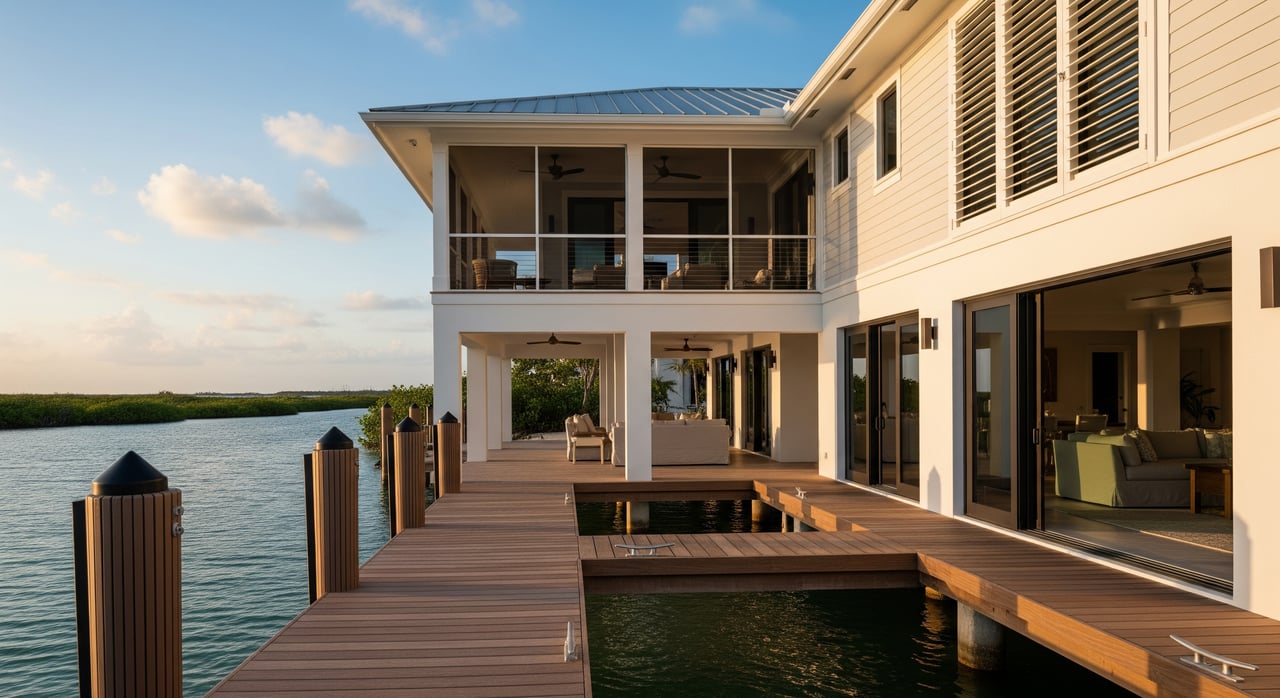
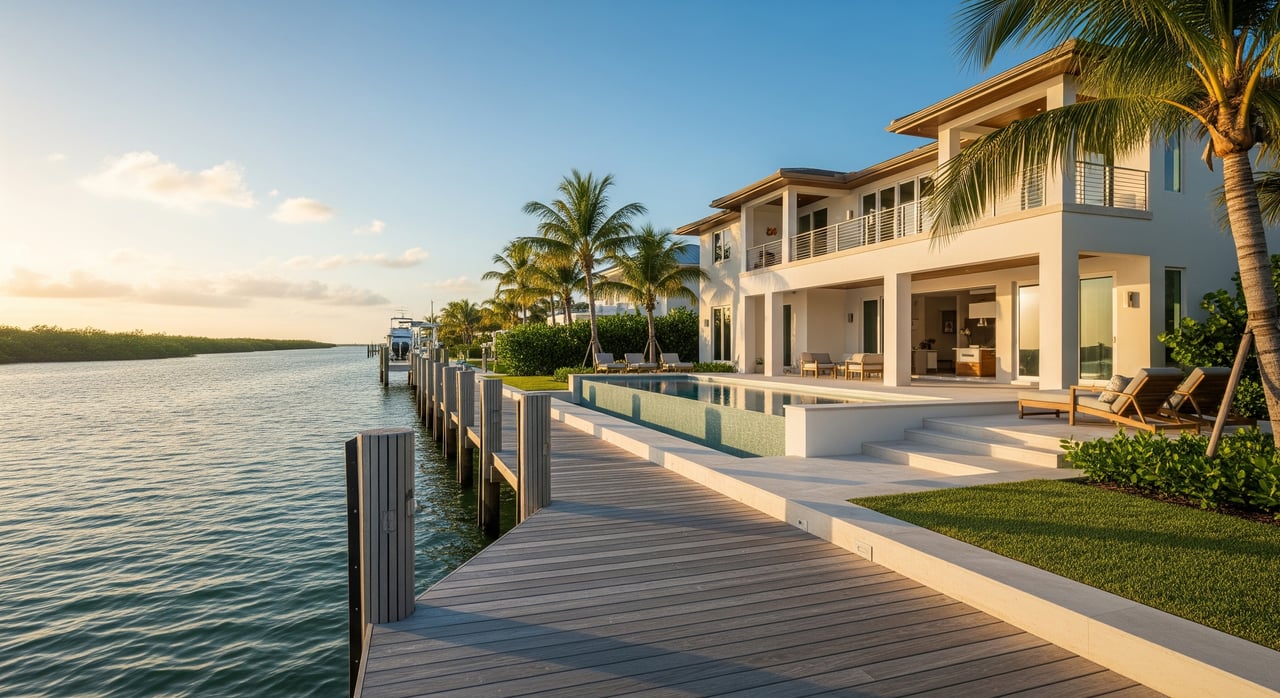
Water access is the biggest value differentiator in the Keys. Small differences in access can shift pricing significantly.
- Ocean or exposed gulf access with direct open-water reach typically carries the highest premium.
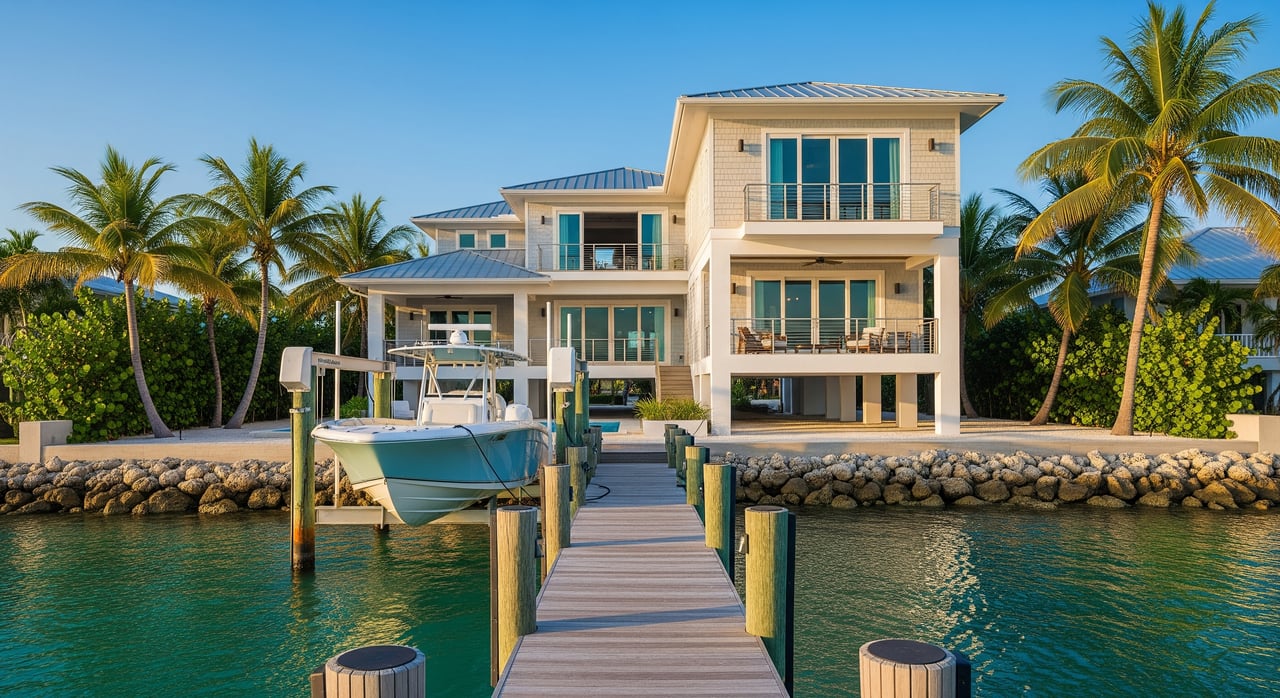
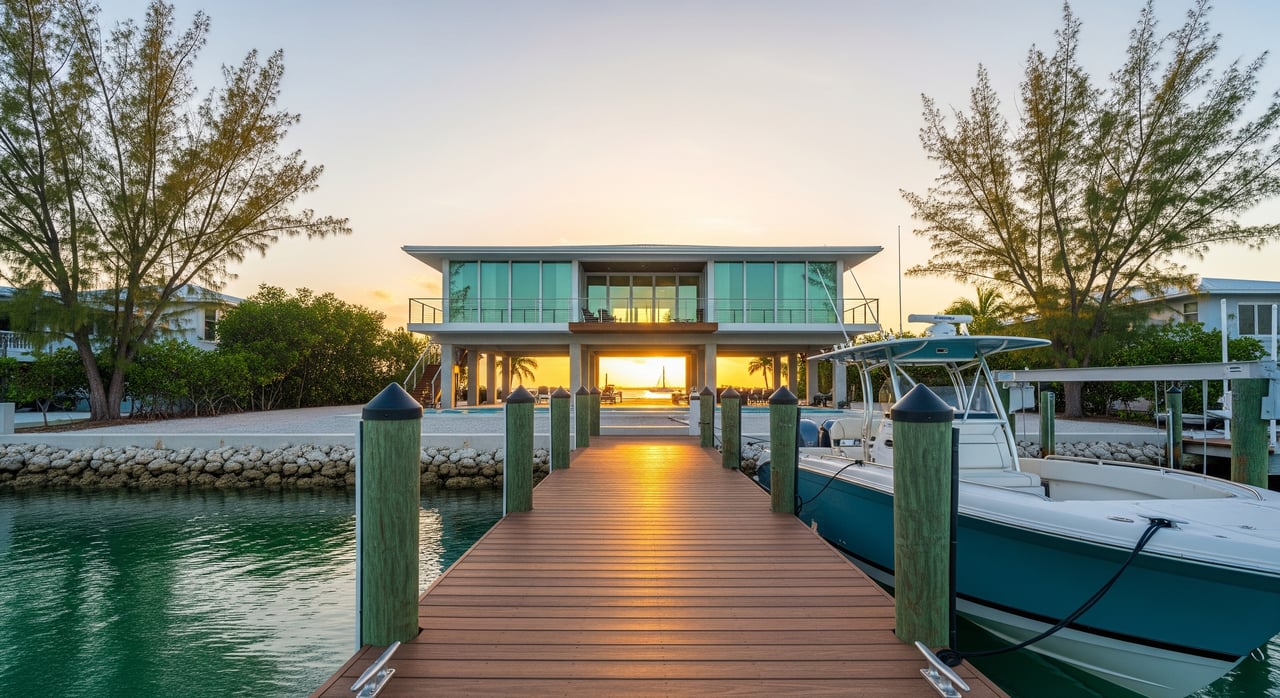
- Bay, channel, or canal frontage with deep-water dockage draws strong demand from boat owners.
- Shallow backcountry or mangrove frontage is valued by anglers and nature lovers, often at a lower price point than deep water.
- No water access appeals to buyers prioritizing price or privacy, and usually trades at a discount to waterfront.
Dock details also move value. A permitted dock or lift, canal depth at mean low tide, bridge and tide clearances, and shoreline protection can all affect price and buyer pool.
Lifestyle buyer profiles
You’ll see several buyer types on Big Pine Key. Boaters and anglers prioritize dockage and navigability. Second-home buyers and vacationers value natural access and a quieter feel than larger Keys hubs. Retirees often look for single-level living and convenient services. Local workers and remote professionals consider affordability and reliable internet alongside lifestyle perks.
Short-term rentals and rules
Short-term rental (STR) demand influences some purchase decisions, but rules are not one-size-fits-all. Monroe County enforces permitting, safety requirements, and neighborhood-specific restrictions that affect income expectations. Before you count on rental revenue, confirm the current rules and permit viability through Monroe County Government. Seasonality matters too, since occupancy trends shift between high season and the off season.
Economic and seasonal timing
Transaction activity often rises in winter and spring as snowbirds and vacationers arrive. Off-season can bring slower sales and more negotiation. Broader conditions like interest rates and national second-home demand also influence how quickly properties move and at what price.
Inventory patterns by property type
Single-family homes
This is the primary housing stock on Big Pine Key. Inventory is limited due to lot scarcity and environmental constraints. Buyers focus on water type, dockage, elevation and flood zone, age and condition, and wind mitigation features. Sellers who can document elevation and code-compliant upgrades often see a wider buyer pool.
Condos and townhomes
Condo options are relatively scarce on Big Pine Key compared with other Keys. These properties can appeal to buyers seeking lower maintenance or a lower entry price than single-family waterfront. Association rules, flood insurance dynamics, and potential assessments should be part of your cost review.
Vacant land and buildable lots
Truly buildable lots are rare and command premiums. Elevation, vegetation constraints, septic or sewer pathways, and FEMA mapping drive feasibility. Financing for land is often tougher and priced differently than for existing homes, so plan timelines and budgets accordingly.
Manufactured and mobile homes
These properties create a lower-cost entry point for locals and workforce housing. Consider wind exposure, anchoring, and insurance availability. Park rules or lot ownership terms can affect financing and resale.
Investment and STR properties
Availability is closely tied to county rules and seasonality. Rising operating costs like insurance, utilities, and maintenance need to be modeled conservatively. Verify permit history and realistic occupancy assumptions before you buy.
How to evaluate value
Start with property-level modifiers
Focus on the factors that move prices most in the Keys:
- Water access type and navigability, plus permitted dock and lift status.
- Elevation and FEMA flood zone relative to base flood elevation.
- Insurance history and wind mitigation features that can reduce premiums.
- Structural condition and code compliance for hurricane standards.
- Lot size, vegetation, and protected views.
- Verified permits for improvements and shoreline protection.
Reading comps in a small market
Because sales are limited, start with the most recent 6 to 12 months but be prepared to widen your search radius or timeframe. Match comps for water type and access, dock permits, and flood risk before adjusting for size or finishes. Expect outliers such as estate or distressed sales that do not represent the broader market. Lenders may ask for additional documentation when comps are thin.
Practical verification checklist
Use these steps to protect your budget and timeline:
- Confirm flood zone and elevation using the FEMA Flood Map Service Center and ask for any elevation certificate on file.
- Request recent insurance quotes or premium history and discuss coverage options with a qualified agent familiar with the Keys. The Florida Office of Insurance Regulation and Citizens Property Insurance provide market context, and NFIP information is available from FEMA Flood Insurance.
- Verify dock permits, shoreline protections, and any boat lift through Monroe County records. Start with Monroe County planning and permitting.
- Measure canal depth at mean low tide and note any bridge or tide restrictions that affect boat size.
- Review parcel and assessment data through the Monroe County Property Appraiser to confirm lot details and improvements.
- If considering STR income, confirm current rules and permit status through Monroe County Government and any HOA covenants.
What this means for your plan
If you are buying, decide early how much water access you truly need and what elevation and insurance tradeoffs you can accept. Then verify dock permits, canal depth, flood zone, and insurability before you fall in love with a view. If you are selling, document wind mitigation, elevation, dock permits, and any code-compliant improvements to strengthen value and appraisals.
You do not have to figure it out alone. As a Lower Keys-local with construction-informed expertise, I help you balance lifestyle goals with the realities of flood, insurance, and permitting. If you’re ready to move forward in Big Pine Key, connect with Christopher Tanaka to get a clear plan, local vendor support, and your next steps. Get Your Instant Home Valuation.
FAQs
What affects waterfront pricing in Big Pine Key?
- Water type and navigability, the presence and permit status of a dock or lift, canal depth at mean low tide, and shoreline protections are the biggest factors that drive price differences along the water.
How do flood zones and elevation impact insurance in the Lower Keys?
- Lenders and carriers look at FEMA flood zones and finished-floor elevation relative to base flood elevation. Higher elevation and wind mitigation can broaden insurance options and may reduce premiums; verify your risk on the FEMA Flood Map Service Center.
Are short-term rentals allowed on Big Pine Key?
- Short-term rentals depend on Monroe County rules, permit requirements, and any neighborhood covenants. Always confirm the latest policies and permit viability through Monroe County Government before modeling rental income.
What should I verify about a dock or canal home before buying?
- Confirm dock and lift permits, inspect the structure, check canal depth at mean low tide, and note any bridge or tide restrictions that limit boat size or access to open water.
How do I compare homes when recent sales are sparse?
- Start with the most recent 6 to 12 months, then expand your search area or timeframe. Match for water access, flood risk, and permit status first, and be ready for lenders to request added documentation when comps are limited.