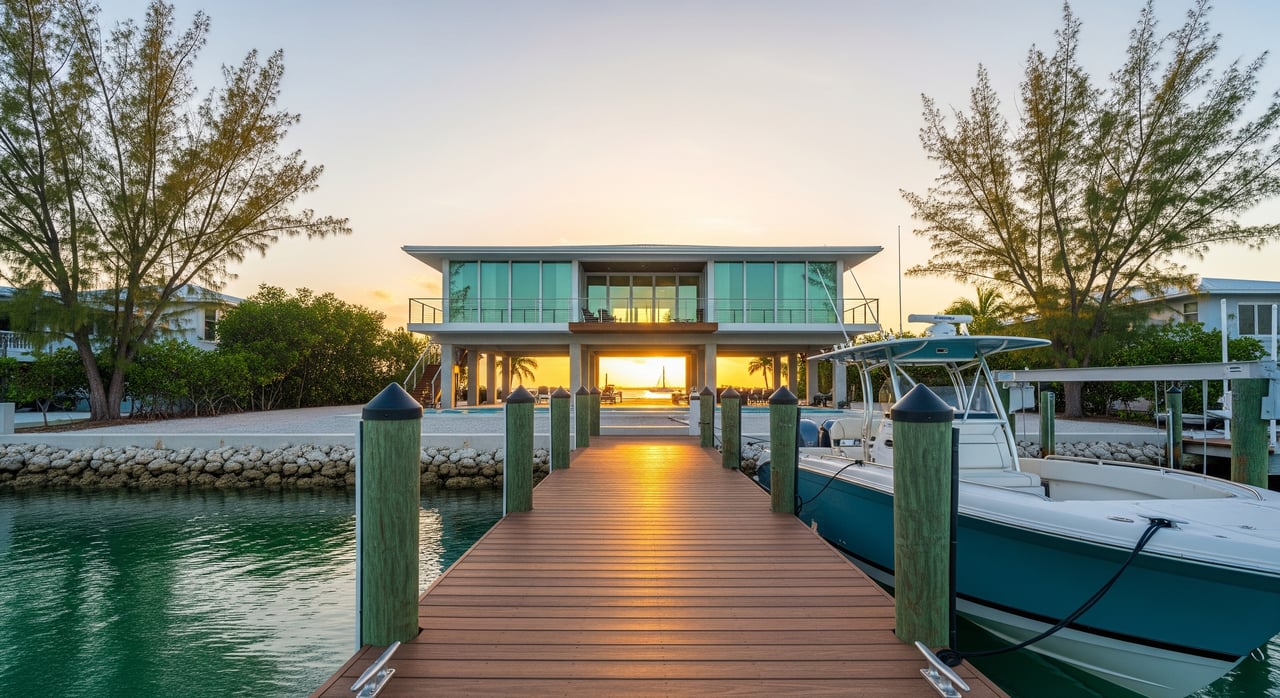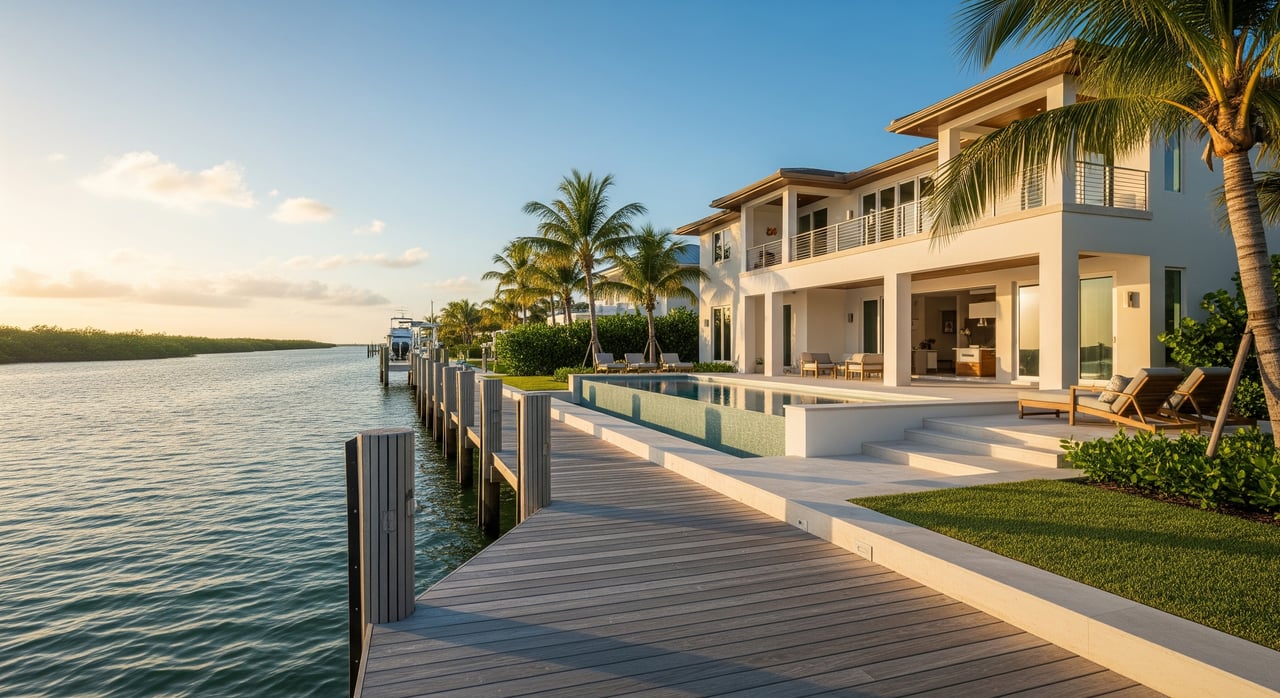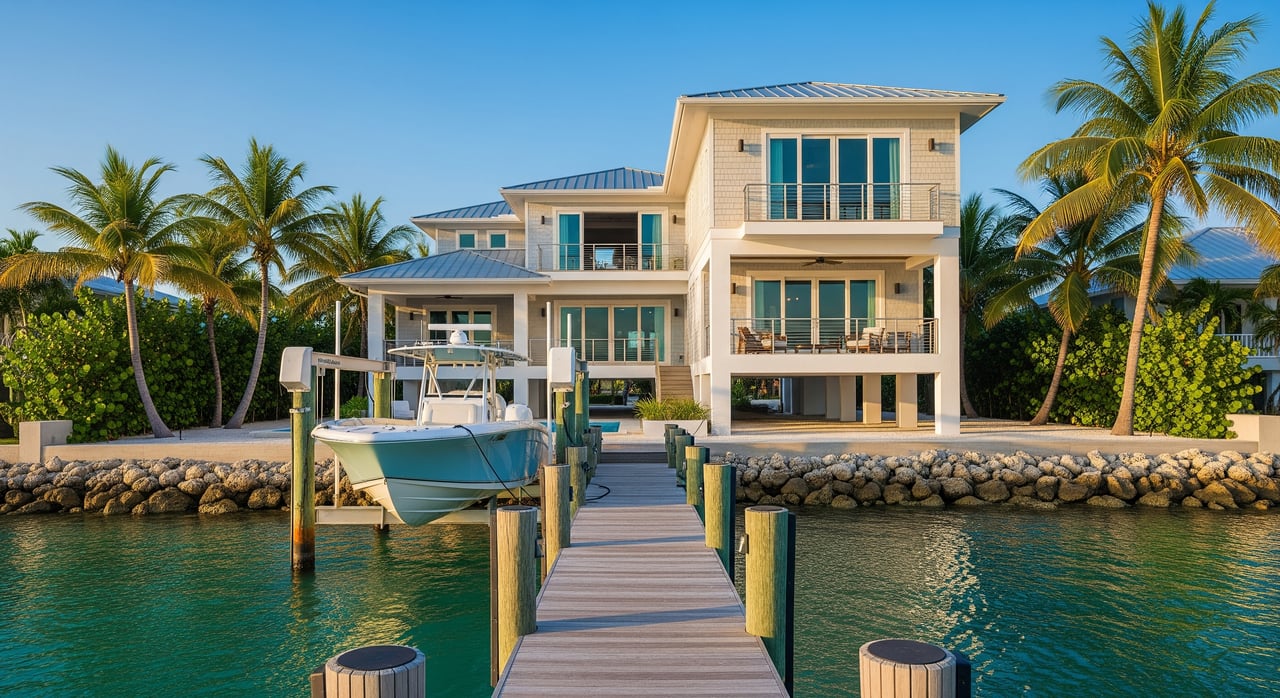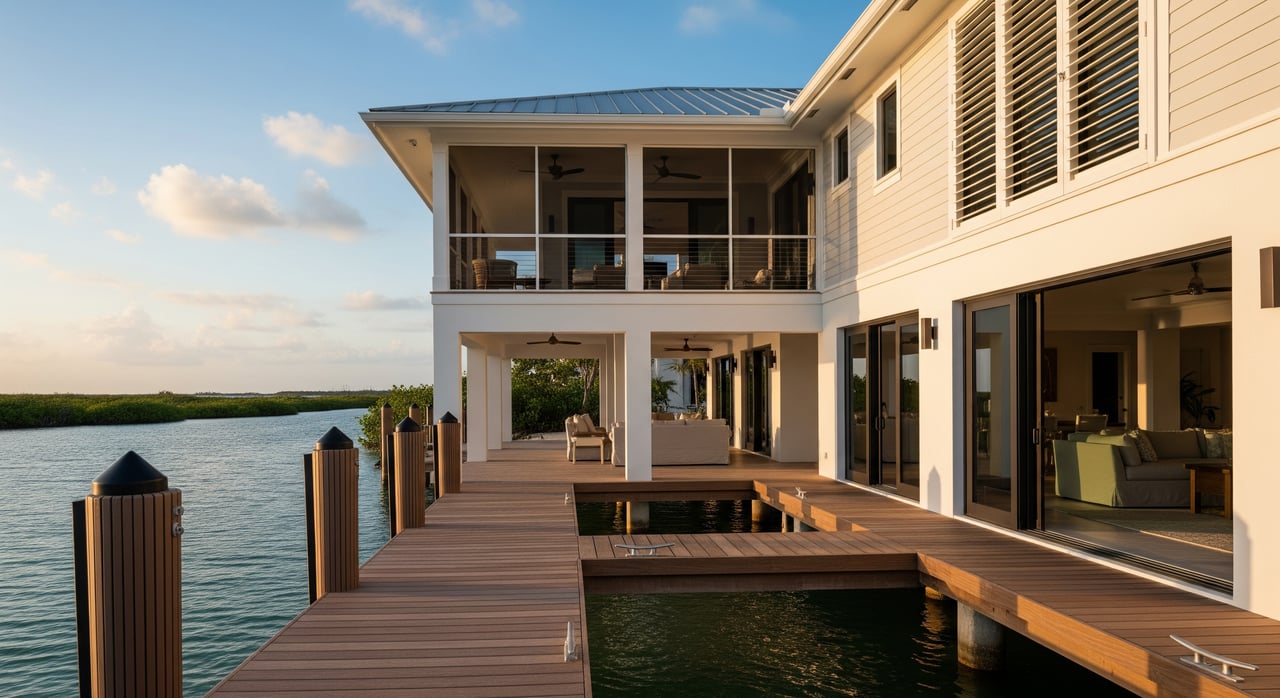
Wondering what your Big Pine Key home could sell for? Pricing on the island is different from the mainland, and small details can move your value up or down in a real way. If you want a confident number, you need to look beyond a simple price per square foot. In this guide, you’ll learn how to estimate your sale price, which local factors matter most, and the steps to prepare for a smooth, profitable sale. Let’s dive in.
Big Pine Key market at a glance
Big Pine Key sits in the lower Florida Keys with a limited land base and a lifestyle many buyers are seeking. That scarcity shapes value and keeps inventory lower than most mainland areas. Seasonality also matters. Demand usually rises in winter when snowbirds arrive, and it eases in summer. Timing can influence your days on market and how price sensitive buyers are.
Buyers compare your home with the rest of the Lower Keys and the commute to Key West. Waterfront access, proximity to marinas, and nearby nature assets like the National Key Deer Refuge are strong selling points for many. Your pricing should reflect these realities and the most similar recent sales.
What drives value on Big Pine Key
Waterfront and water access
Waterfront type is often the biggest value driver in the Keys. Oceanfront, bayfront, and canal homes trade at different levels. A permitted dock with usable depth can add significant value for boaters. Channel location, draft, and ease of access to open water also matter.
Elevation and flood risk
Your FEMA flood zone, base flood elevation, and your finished floor elevation influence insurance costs and lending. An elevation certificate helps buyers and lenders understand risk and can reduce uncertainty. Higher finished floors relative to base flood elevation can be a plus.
Seawalls and erosion protection
If your property has a seawall, buyers will want to know its condition and permit history. A well‑maintained, permitted seawall can support value. A failing or unpermitted structure can reduce buyer confidence and price.
Structure and wind mitigation
Insurance is a key concern in coastal markets. Roof age and type, impact windows or shutters, and tie‑downs can improve insurability and buyer confidence. Documenting wind mitigation features can help buyers understand premium impacts.
Utilities and wastewater
Whether you are on sewer or septic, your water service, and the status of electrical connections can affect long‑term costs. Buyers look for clarity on these items, especially for older homes or unique lot configurations.
Lot, views, and orientation
Lot size, privacy, and view corridors influence demand. Unobstructed sunrise or sunset views can command a premium. Corner lots, end‑of‑canal positions, and vegetation that enhances privacy can lift value when compared to similar properties.
Condition and recent upgrades
Updated kitchens and baths, newer mechanicals, and well‑documented restoration after prior storm events are positives. Deferred maintenance can reduce offers or invite credits during negotiations. Clean inspection reports are powerful.
Regulations and rental potential
Local rules for short‑term renting, required permits, and transient taxes can affect investor demand. If your zoning allows short‑term rentals or you have a history of compliant rental operations, that can shape pricing for the right buyer segment.
How to estimate your sale price
Start with a comparative market analysis (CMA)
A strong CMA focuses on recent closed sales of similar homes in the last 3 to 12 months. Include 3 to 6 closed comps that match your waterfront category, bedroom count, lot size, elevation, and condition. Add active and pending listings to understand current competition and trajectory. In the Keys, even one difference, like a permitted dock versus none, can require a large adjustment.
If there are few recent sales on Big Pine Key, expand to nearby keys while noting differences. A thoughtful adjustment process is more important here than in higher‑volume mainland markets.
Consider an appraisal
A licensed appraiser provides an independent valuation using local sales data and accepted methods. This is useful when you have unique features, limited comps, or complex flood and elevation factors. Appraisals are especially helpful if you anticipate a financed buyer.
Use an agent market analysis or BPO
An experienced local agent can produce a broker price opinion that blends recent sales, on‑market trends, and hands‑on property evaluation. This is practical when you want a quick, well‑reasoned estimate and guidance on pricing strategy.
Treat online estimates with caution
Automated valuation models can miss key coastal variables, like channel depth, dock permits, and finished floor elevation. Use them as one datapoint, not a final answer. You’ll get a more accurate range by relying on local sales and property specifics.
Set a pricing range and strategy
Instead of a single number, work with a low, likely, and high range. Align your list price with your goal. If you need a faster sale, price at or just below the most recent comparable closed sale. If you want to test the top of the range, prepare for a longer market time and ensure your condition and marketing are best in class.
Key metrics to pull before you price
- 3 to 6 recent closed comps that match your waterfront type and elevation profile
- Median days on market for similar homes in the last 3 to 6 months
- List‑to‑sale price ratios for comparable properties
- Price per square foot for true apples‑to‑apples comps
- Current active and pending inventory within your submarket and price band
Documents and data to gather now
Collecting the right information early helps you price accurately and move through escrow with fewer surprises. Start a clean file with these items:
- Deed, most recent survey, and any title exceptions
- Elevation certificate if available
- Permit history for renovations, docks, and seawalls
- Recent inspection reports and service records
- Insurance history and current premium information for flood and wind
- Utility statements and details about sewer or septic
- Any rental licenses, records, or zoning confirmations if applicable
Insurance, financing, and disclosures that affect price
Flood and wind insurance are central to buyer decisions in Big Pine Key. Premiums depend on your elevation, structure, and mitigation features, and buyers using financing need coverage that satisfies lender requirements. Obtain updated quotes so you can speak clearly about costs. Buyers appreciate clarity, and it can prevent re‑negotiations.
Lenders often look closely at flood zone, structural condition, and any nonconforming elements. Some may require repairs or an elevation certificate before closing. Cash buyers are common in island markets, but many financed buyers will still compete if risks and costs are well documented.
Pre‑listing inspections can pay off. A general home inspection, roof evaluation, and if relevant, septic and seawall checks, help you fix small issues before they become deal points. Florida requires sellers to disclose known defects and material facts. Accurate, complete disclosures build trust and support your pricing.
Permitting and code compliance matter. Gather proof that your dock, seawall, and additions were properly permitted. Unpermitted work can shrink your buyer pool or require correction prior to closing. Environmental protections near refuge areas may limit expansion on some lots, so be ready with documentation if buyers ask.
Finally, think through net proceeds. Ask your title company about documentary stamp taxes, prorations, and local fees. Knowing your bottom line helps you handle credits and closing timelines with confidence.
Prep and marketing tips for Big Pine sellers
Order targeted pre‑list inspections
- General home, roof, and termite or wood‑destroying organism check
- Septic inspection if applicable
- Seawall evaluation and simple repair plan if needed
- Mold or moisture assessment for peace of mind
Address insurance and mitigation upfront
- Document impact windows, shutters, roof tie‑downs, and upgrades
- Consider cost‑effective improvements that can lower premiums
- Update your elevation certificate if yours is missing or outdated
Showcase your waterfront and lifestyle
Hire professional photos, including aerials and dusk shots
Highlight dock size, draft, and boating access where permitted
Note nearby marinas, fishing grounds, and the National Key Deer Refuge
Time your launch and price with intent
- Target winter for maximum exposure when possible
- Use transparent pricing tied to recent closed comps
- Prepare to adjust within the first 2 to 3 weeks based on showings and feedback
Negotiate with your net in mind
- Expect requests for credits tied to insurance or repairs
- Keep your bottom line updated with quotes and closing cost estimates
- Leverage pre‑list reports to defend price and reduce retrades
A simple timeline to get market‑ready
- Week 1: Gather documents, request insurance quotes, and schedule inspections
- Week 2: Complete inspections and minor repairs, order updated elevation certificate if needed
- Week 3: Review CMA or appraisal, choose pricing range and go‑to‑market plan
- Week 4: Launch with full media package and clear showing instructions
When to bring in local expertise
Island valuation is nuanced. The right pricing and preparation can add real dollars to your net. If you want a confident number and a clean process, lean on a Keys‑experienced advisor who understands docks, elevation, insurance, and how seasonality shapes demand.
Ready to see what your Big Pine Key home could sell for? Get your instant home valuation and a data‑driven pricing plan tailored to your property by connecting with Christopher Tanaka.
FAQs
How much will my Big Pine Key home sell for?
- It depends on waterfront type, elevation, dock status, condition, and the most recent comparable sales; start with a CMA that delivers a low, likely, and high range.
Are online valuation estimates reliable in Big Pine Key?
- Use them only as a rough datapoint since they often miss docks, channel depth, elevation, and permits that strongly affect Keys pricing.
Do I need an elevation certificate to sell my Keys home?
- You can sell without one, but providing an elevation certificate reduces insurance uncertainty and can improve buyer confidence and financing options.
Will being in a flood zone prevent a sale?
- No; it affects insurance, financing, and buyer pool, so share mitigation features, current quotes, and elevation details to keep deals on track.
Does having a permitted dock always increase value?
- Often yes for boating buyers, but condition, permits, and usable depth matter; a damaged or unpermitted structure can reduce value.
How long will it take to sell in Big Pine Key?
- Market time varies by season, price point, and condition; winter often shortens time to contract, and recent local MLS metrics are the best guide.
Which documents should I collect before listing my home?
- Start with your survey, elevation certificate, permit history, inspection reports, insurance info, and utility records to support pricing and disclosure.
What is the best time to list a Big Pine Key home?
- Winter typically brings the strongest buyer pool; if timing allows, launch then with full media and clear pricing tied to recent comps.