Torn between a pastel Conch cottage with a breezy porch and a sleek, storm‑ready home with an open kitchen? In Key West, that choice shapes how you live, what you spend on insurance and maintenance, and how easy upgrades will be. You want the island lifestyle without surprises. This guide walks you through the real differences so you can buy with confidence. Let’s dive in.
Key West context that matters
Old Town is the island’s walkable historic core and a formally listed National Register district. You see classic wood‑frame architecture, narrow streets, and porch life close to restaurants and marinas. Newer neighborhoods generally offer larger lots, driveways, and contemporary layouts a bit farther from Duval.
Exterior changes in the historic districts go through the City’s Historic Architectural Review Commission (HARC). If you plan to repaint, replace windows, rework a porch, or adjust height or foundations, you may need HARC approval. Review the City’s process on the Historic Architectural Review Commission page and the National Register background on the Key West Historic District.
What “historic charm” delivers
Architecture and details you will see
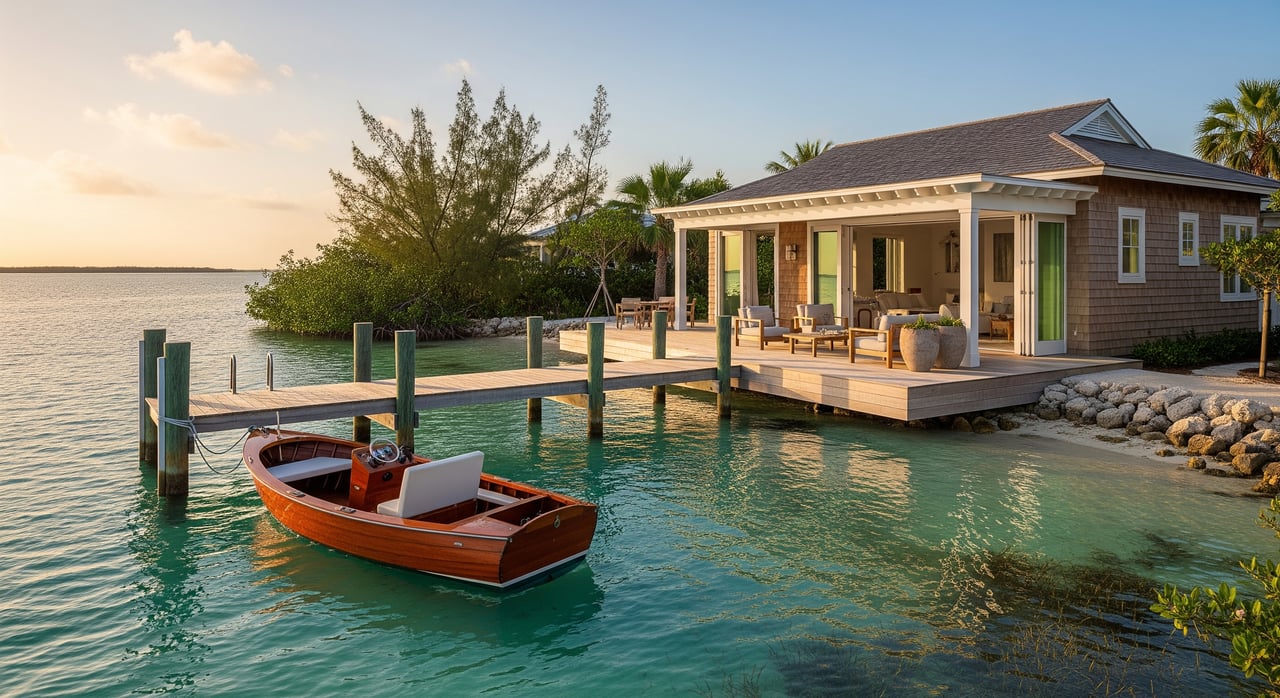
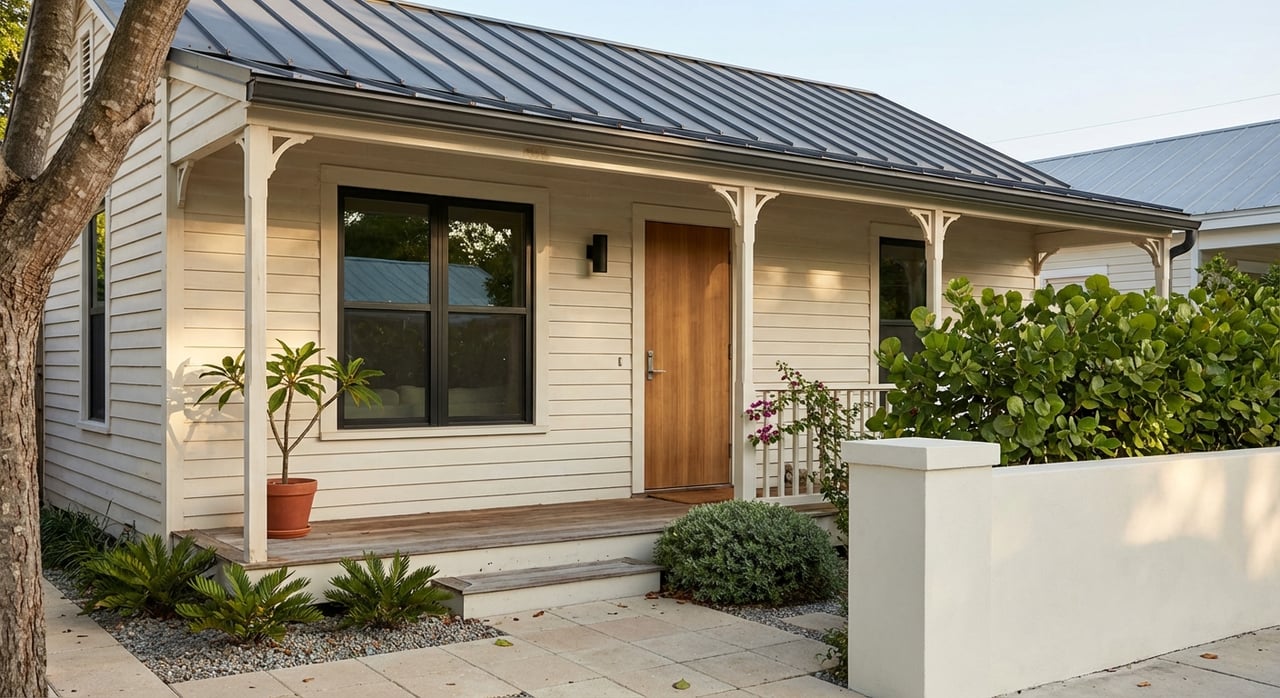
Old Town homes often include Conch and Bahamian‑influenced features: wood siding, metal roofs, high ceilings, and louvered Bahama shutters that catch the breeze. Full‑width front porches and eyebrow details are common. Interiors were originally more compartmentalized, with smaller kitchens that many owners have since expanded. Learn more about these styles in this overview of the Conch house.
Daily living tradeoffs
- Expect compact lots and limited off‑street parking in many blocks.
- Porches and outdoor areas are central to everyday living.
- Walkability and a strong sense of place are the draw, not storage or garages.
Renovation and approvals
Preserving historic character takes planning and budget. HARC review can influence timelines and materials for visible exterior work. If you want to raise a house or alter foundations, be ready for a coordinated plan with HARC and building officials. For pre‑1978 homes, renovations that disturb paint must follow federal lead‑safe practices; see the EPA’s guide to protecting your family from lead exposure.
What “modern comfort” delivers
Layout and systems that feel easy
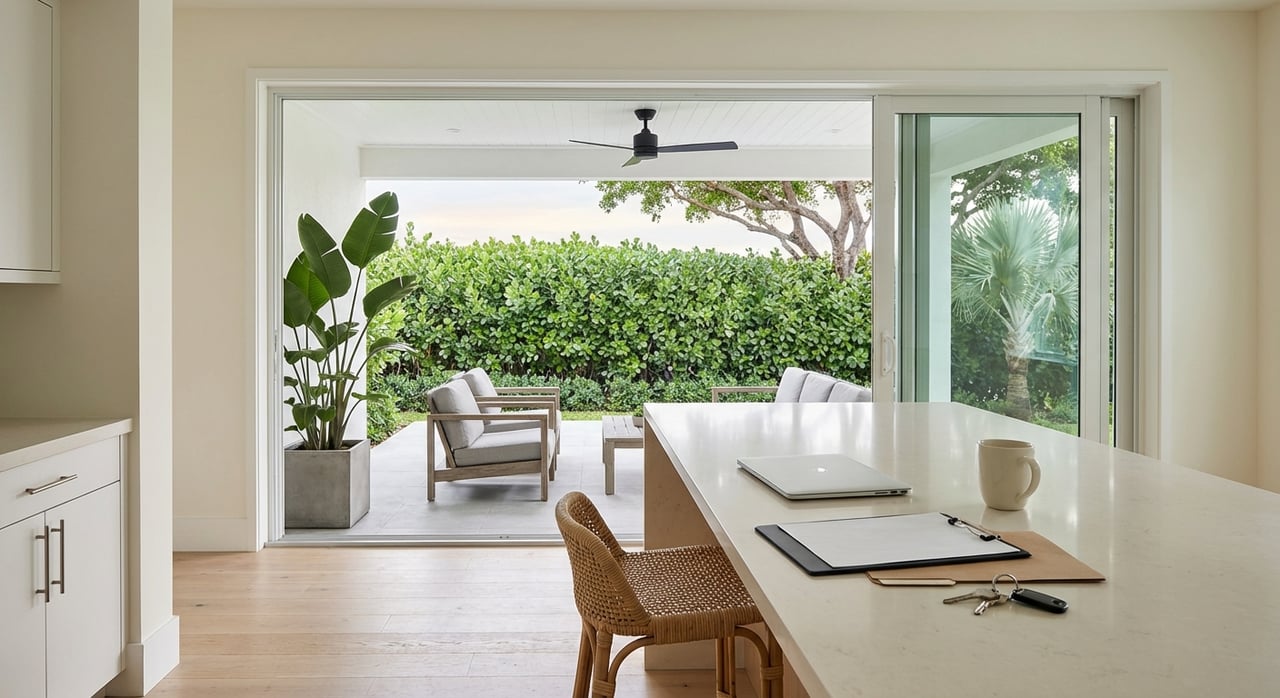
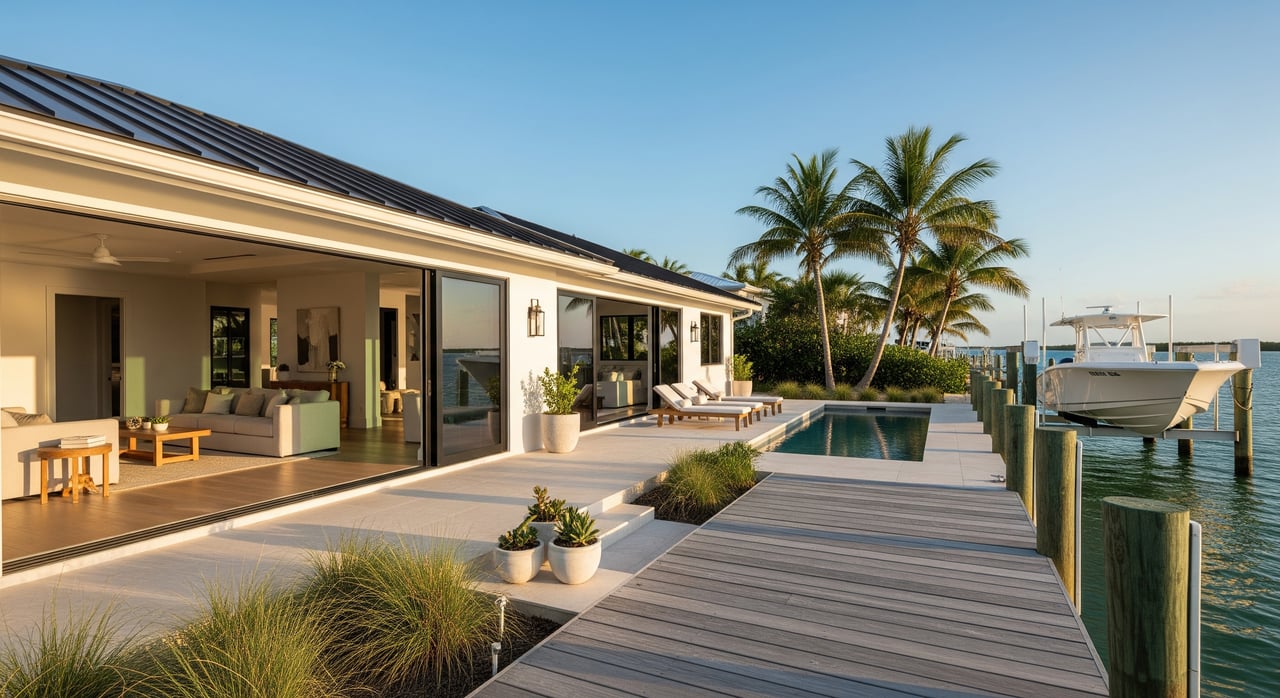
Newer homes in Mid‑Town, New Town, and select infill areas typically feature open floor plans, larger kitchens, en‑suite bedrooms, and integrated HVAC and laundry. Impact‑rated windows and doors, modern insulation, and elevated foundations are common due to Florida coastal code. Review Monroe County’s building requirements and floodplain rules to understand why these features are standard.
Lots, parking, and storage
You often gain driveways or garages, bigger yards, and dedicated storage that make day‑to‑day life simpler. If you drive or store gear for boating and fishing, these features can tip the balance toward newer construction.
Budget signals
Modern coastal standards add resilience that can help with insurance credits and long‑term upkeep. Those same standards can influence construction costs. Always verify actual insurance quotes before you write an offer.
Maintenance and durability in the Keys
Wood, moisture, and termites
Historic wood structures can perform well when dry and ventilated, but you should plan for periodic inspections for rot and insects. Drywood termites are common in South Florida and are treated differently from subterranean species. The UF/IFAS Extension explains the risks and treatment options in its drywood termite guidance.
Salt air and metal corrosion
Salt spray ages exterior hardware, fasteners, railings, and even outdoor HVAC components faster than on the mainland. Expect routine repainting and periodic maintenance for metal roofs and porch elements.
Flood and wind retrofits you may face
- Elevate service equipment like electrical panels and condensers.
- Add flood vents and use flood‑resistant materials below Base Flood Elevation where allowed.
- Document impact glazing or shutters and roof tie‑downs for insurance credits.
Monroe County outlines floodplain standards in its building requirements. For practical steps, see homeowner‑friendly flood retrofit guidance.
Rules, rentals, and insurance that change the math
Historic district rules and permits
HARC approval is often required for exterior changes, including moving or elevating a house. Some limited historic exemptions may apply, but substantial work can trigger modern elevation and code requirements. Always verify the property’s HARC status, past approvals, and any open violations with the City’s HARC program.
Short‑term rental limits and value
Key West restricts new transient licenses for nightly rentals in many residential areas. Existing licenses are scarce and transfer rules are limited. This can dramatically affect income assumptions and resale value. Review the City’s zoning context for transient use in Chapter 3 via this code reference, and verify any license status with the City before you assume you can rent nightly.
Flood and wind insurance realities
FEMA’s Risk Rating 2.0 makes flood insurance pricing more property specific, so distance to water, elevation, and building details matter. Monroe County explains the impact and why elevation certificates help on its NFIP and Risk Rating 2.0 page. For wind coverage, many Keys owners use Citizens or coastal specialty markets. Premiums in Monroe County are among the highest in Florida, so get quotes early. See the County’s overview of wind insurance and Citizens.
Which home fits your lifestyle
- Choose historic charm if you value walkability, porch life, and irreplaceable character. You accept smaller lots, more frequent maintenance, and stricter exterior rules.
- Choose modern comfort if you want garages, open layouts, impact windows, and fewer near‑term projects. You accept more distance from Old Town’s core.
- If rental income is a goal, your first filter is license status, not age of the home. Confirm whether a property holds a transferable transient license before comparing numbers.
Smart due diligence checklist
Before touring or making an offer, ask for and review:
- HARC and permit history. Confirm major work was permitted and closed. Start with the City’s HARC page for process and contacts.
- Elevation certificate and current flood zone. If absent, plan to order one. Learn why these documents matter from this overview on why you need an elevation certificate.
- Insurance pre‑quotes. Get flood under Risk Rating 2.0 and wind/home quotes. See Monroe County’s summaries for flood insurance and wind insurance. Ask about mitigation credits.
- Short‑term rental status. Request written confirmation of any transient license and its transferability. Use the code reference for Key West to understand where transient use is limited.
- WDI and moisture reports. Order a wood‑destroying insect inspection and review any past treatment records. See UF/IFAS termite guidance.
- Systems ages and upgrades. Note roof age, HVAC, electrical service, plumbing, and any generator. Verify that mechanicals are elevated where appropriate.
- Lead safety for pre‑1978 homes. Plan for EPA‑certified contractors under lead‑safe rules.
- Flood and wind mitigation status. Check for impact windows or approved shutters, roof tie‑downs, flood vents, and finished floor elevation. Consult Monroe County building requirements.
Make your call with local guidance
Whether you are leaning toward an eyebrow cottage near the waterfront or a newer elevated home with an easy‑care layout, the right choice balances lifestyle with long‑term costs and rules. A local, construction‑informed advisor can help you compare insurance quotes, code requirements, and renovation paths so you move forward with clarity.
If you want a clear plan for your Key West search, start a conversation with Christopher Tanaka. You will get practical guidance, local vendor connections, and step‑by‑step support from first tour to closing.
FAQs
What makes Old Town Key West “historic” and how does it affect me?
- Old Town is part of a National Register historic district, and exterior changes often need HARC approval, which affects timelines, materials, and design choices.
Can I use a Key West home for nightly vacation rentals?
- Only if the property has a valid transient license and zoning allows it; new licenses are restricted in many areas, so verify status and transferability before you assume income.
How do flood maps and elevation change my costs?
- FEMA’s Risk Rating 2.0 prices flood insurance by property, so your elevation, distance to water, and construction details can raise or lower premiums.
Are historic homes harder to insure or finance?
- They can be if there is deferred maintenance or missing mitigation; insurers and lenders look for condition, impact protection, roof tie‑downs, and updated systems.
What maintenance is unique to Key West’s climate?
- Expect regular termite inspections, wood and paint upkeep, and attention to salt‑air corrosion on metals and outdoor mechanical systems.
What upgrades help both comfort and insurance?
- Impact‑rated windows or approved shutters, a well‑tied roof structure, elevated equipment, and flood vents can improve resilience and may qualify for credits.