Dreaming of a Keys getaway that helps pay for itself? A vacation rental in Marathon can do just that if you choose the right property and plan for local rules, costs, and storm readiness. You want a clear path from idea to income without surprises. In this guide, you’ll learn the essentials for buying, permitting, insuring, and operating a short-term rental in Marathon, plus a simple due diligence checklist to keep you on track. Let’s dive in.
Why Marathon works for vacation rentals
Marathon sits in the Middle Keys along the Overseas Highway, close to the Seven Mile Bridge and within easy reach of Key Largo and Key West. It attracts anglers, divers, boaters, and families who want central access to the best of the Keys. Sombrero Beach and a laid-back, family-friendly vibe add to its appeal.
Demand follows clear seasons. Peak bookings usually run from late fall through early spring, when average daily rates and occupancy climb. Summer into early fall is slower, and hurricane season raises the risk of cancellations. Holiday and event weekends can command premium pricing if your listing is dialed in.
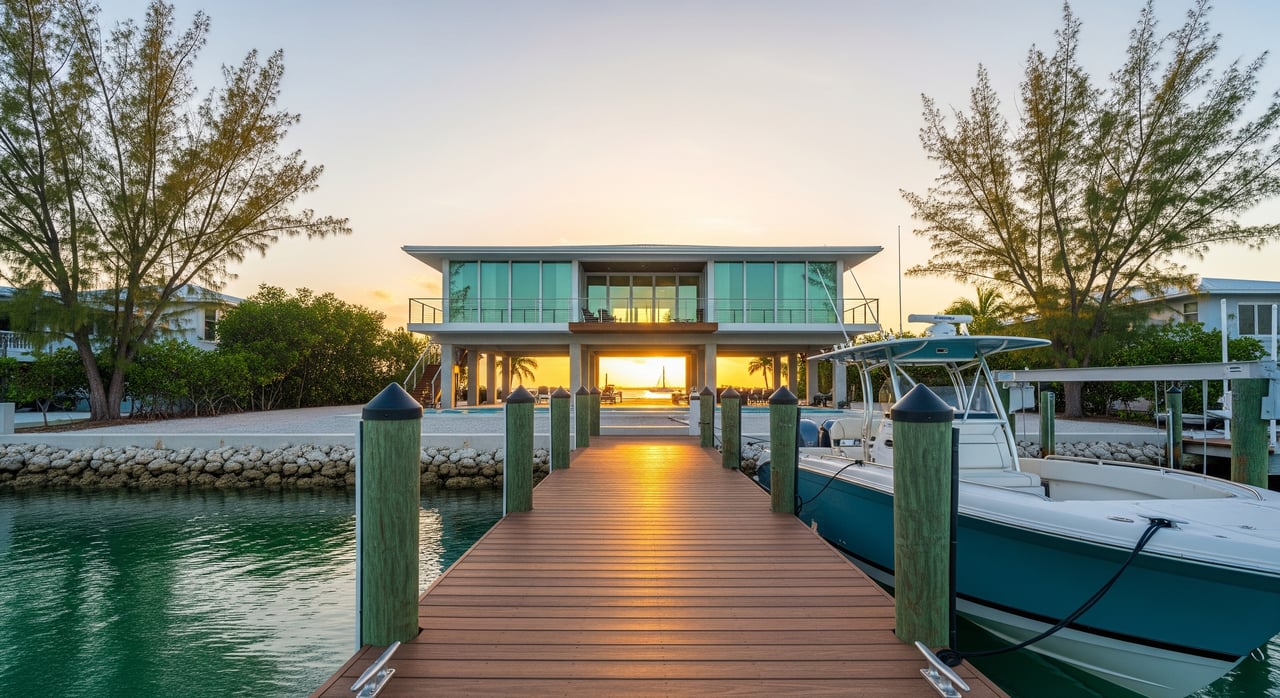
Inventory is limited by geography. Waterfront homes with dockage typically command higher prices and stronger demand. This scarcity can support pricing power for well-located, well-maintained rentals.
Local rules, permits, and taxes
Short-term rental rules are set locally. In the Florida Keys, you’ll need to confirm requirements with the City of Marathon and Monroe County. Many owners must obtain a business tax receipt, register the property as a vacation rental, and meet life-safety standards like smoke detectors, fire extinguishers, posted emergency information, and occupancy limits.
Plan for taxes and registration. Florida requires state sales tax on short stays, and Monroe County levies a tourist development (bed) tax. You typically register with the Florida Department of Revenue and the county to collect and remit. Some booking platforms collect certain taxes for you, but coverage varies by location and listing, so verify what is and is not remitted on your behalf.
Check zoning and association rules. Zoning may limit or regulate rentals in certain areas, and many HOAs or condo communities set their own standards. Some associations prohibit short-term rentals, while others require minimum stays, guest registration, or approvals. Always read association documents and recent meeting minutes before you write an offer.
Account for environmental and safety rules. Coastal construction and wildlife protections can affect lighting, docks, and construction near the shoreline. Properties seaward of the Coastal Construction Control Line face added permitting requirements. During emergencies, follow Monroe County evacuation orders and communicate clear safety instructions to guests.
Financing and your budget
How you plan to use the property determines financing. Primary residences can qualify for lower down payments. Second-home loans may work if you use the property part-time and meet program rules. Most vacation rentals are financed as investment properties, which usually means a larger down payment and higher rates.
If you expect the lender to count rental income, be prepared to document it. Many lenders want 12 months of verified short-term rental income or a strong track record from comparable properties. A local or portfolio lender can be a better fit when a home has limited rental history.
Model revenue and costs conservatively. Your top-line revenue depends on average daily rate and occupancy, which fluctuate by season. Subtract all operating costs to estimate net income. Typical expense categories include:
- Property management fees if you outsource (often 18 to 35 percent for full service)
- Cleaning and turnover costs per stay
- Utilities like electricity, water/sewer, internet, cable, and trash
- Repairs, landscaping, pest control, and dock or seawall upkeep
- HOA or condo dues and any assessments
- Platform and processing fees
- Reserves for big-ticket items such as roof, HVAC, or dock replacement
Understand tax treatment. Florida does not tax personal income, but rental income is federally taxable. Common deductible expenses include mortgage interest, property taxes, insurance, management fees, utilities you pay, repairs, and depreciation. Personal use rules affect what you can deduct, so review IRS guidance and speak with a tax professional.
Insurance and storm readiness
Insurance is a major line item in coastal Florida. You will likely need property/hazard coverage plus windstorm, which may carry percentage-based hurricane deductibles. Many properties also require flood insurance because they sit in FEMA flood zones.
If you rent short-term, confirm your policy allows it. Many carriers require a landlord or business endorsement for STR use, especially if you hire a property manager. Citizens Property Insurance has sometimes served as an insurer of last resort in Florida, but availability and rates evolve, so compare options with a local broker.
Harden the home where you can. Impact windows and doors, hurricane shutters, roof tie-downs, and other wind mitigation features can make a difference on premiums and peace of mind. Documented mitigation can also help with underwriting and inspections.
Property types and Keys-specific issues
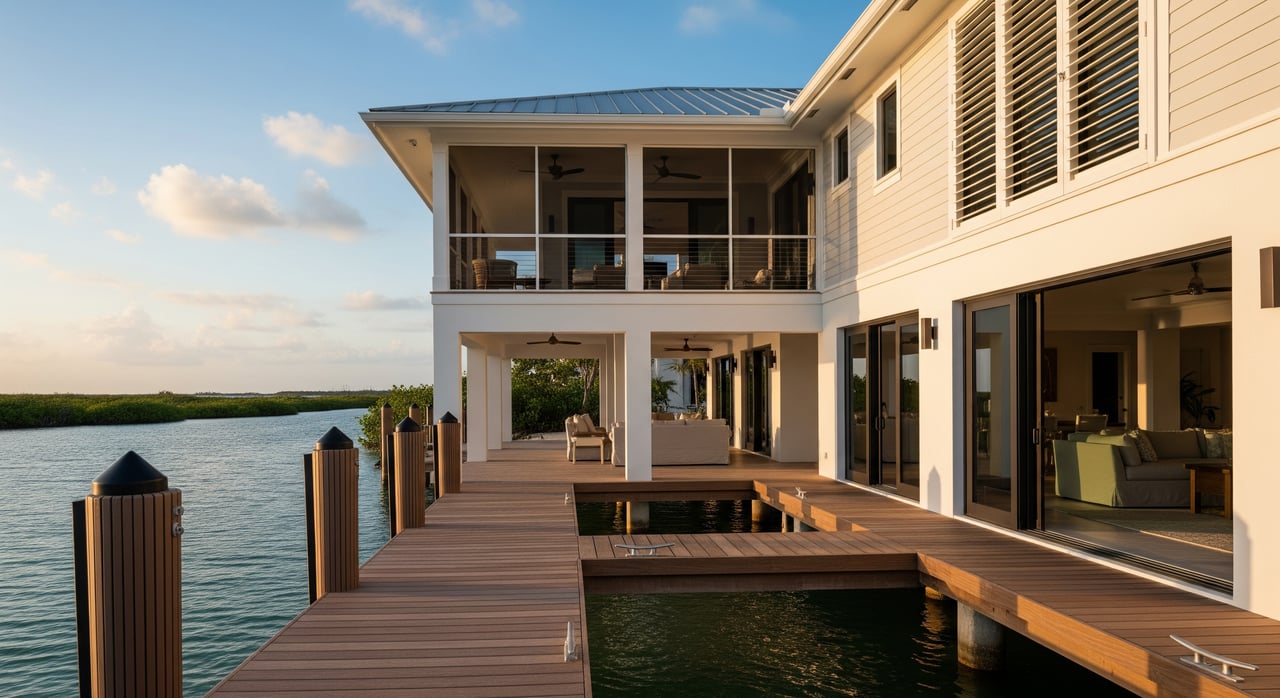
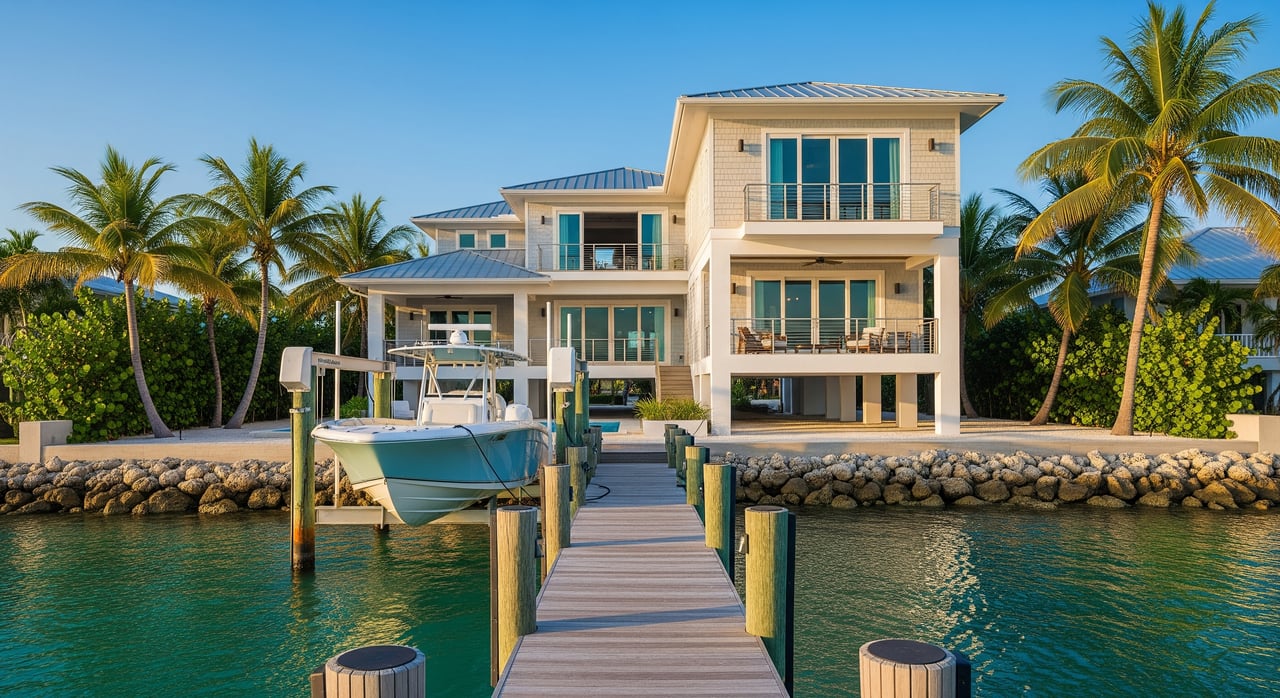
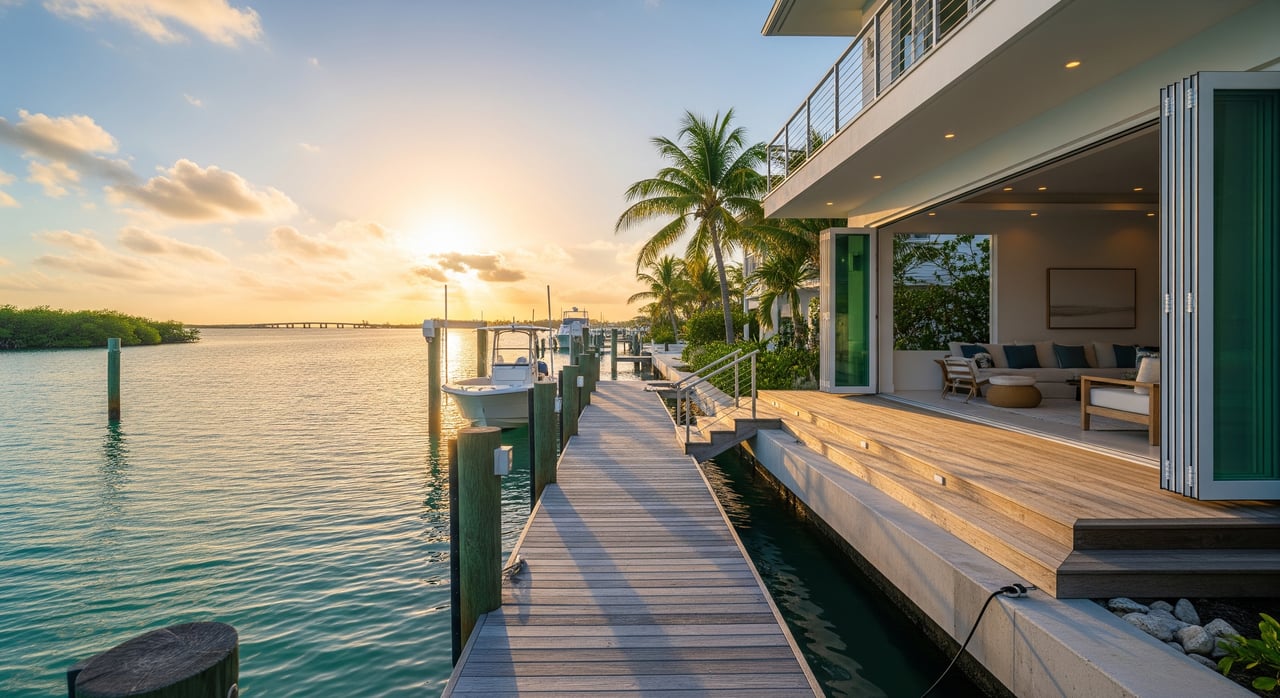
Waterfront single-family homes attract anglers and boaters, and dockage can boost nightly rates. They also bring added maintenance, from seawalls and docks to lift systems and corrosion control. Canalfront value often hinges on how quickly you can reach open water and whether any canal constraints exist.
Condos and townhomes can be easier to maintain. Many have master insurance policies, but you still need to confirm the association’s STR rules and the scope of your individual coverage. Some buildings limit short stays or require approvals before you rent.
Age and elevation matter. Older homes may need updates for wiring, plumbing, or wind resistance to meet current standards when you remodel. Elevation can reduce flood risk and insurance cost. Ask for an Elevation Certificate and review flood zone status.
Know your utilities and permits. Parts of the Keys use septic, and Monroe County wastewater upgrades can affect certain properties. Docks, seawalls, and shoreline work often require multiple permits. Environmental protections also include sea turtle lighting rules and mangrove safeguards.
Operations: pricing, occupancy, and management
Set your revenue targets using real data. Estimate gross income with average daily rate times occupied nights, then subtract all expenses. Use services that track Keys STR performance to benchmark comparable Marathon listings by bedroom count and waterfront access. Build in low-season and hurricane-season scenarios.
Choose a management approach that fits your time and location. You can self-manage if you are hands-on and have reliable local vendors. Professional managers handle marketing, bookings, guest support, and cleaning for a fee that typically ranges from 18 to 35 percent of rental revenue for full service.
Dial in your guest experience. Smart locks, clear instructions, and quick response times drive reviews and repeat stays. Professional photos, strong listing copy, and a helpful local guide can increase both occupancy and rates. Set clear house rules and parking and noise policies to protect your standing with neighbors.
Plan for emergencies. Post evacuation and safety information, confirm who will secure the property before storms, and outline refund policies for declared emergencies. A tested checklist helps everyone move faster when a storm approaches.
Due diligence checklist
Use this quick checklist to pressure-test the deal before you buy:
- Market and valuation
- Review recent local sales and waterfront premiums in the neighborhood.
- Benchmark ADR and occupancy for comparable Marathon listings and seasonality.
- Legal and regulatory
- Confirm city and county STR registration and business tax receipt requirements.
- Verify zoning compliance and any HOA or condo restrictions on short stays.
- Register for state sales tax and Monroe County tourist development tax as required.
- Physical condition and resilience
- Order a full inspection of structure, roof, electrical, and plumbing systems.
- Confirm flood zone and request an Elevation Certificate; review current flood policy.
- If waterfront, assess seawall, dock, permits, and maintenance records.
- Insurance and financing
- Obtain quotes for property, windstorm, and flood coverage that allow STR use.
- Get pre-approval from a lender experienced with coastal and STR properties.
- Operational readiness
- Confirm transfer of existing bookings, reviews, and management agreements.
- Review P&L statements, tax returns for rental income, and platform records if available.
- Line up cleaning, maintenance, and local contractors; price out management fees.
- Environmental and permitting
- Check for CCCL impacts, open permits, or code issues.
- Verify sewer vs. septic status and any planned upgrades.
Smart ways to boost performance
- Focus on location-based value. Dockage, quick ocean access, and proximity to beaches can support higher ADR if the property is well presented.
- Stage for function and durability. Comfortable beds, reliable HVAC, durable outdoor furniture, and boat-friendly amenities can reduce wear and complaints.
- Use pricing rules by season. Raise rates during peak holidays and scale back during slower months to keep occupancy steady.
- Track reviews and respond. Fast, friendly responses build trust and help your listing rank better on major platforms.
- Keep reserves for storms and slowdowns. A cash buffer covers deductibles, repairs, and off-peak months without stress.
When to bring in local experts
Buying a vacation rental in the Keys is part real estate, part coastal operations. Lean on local specialists early. Speak with city or county staff about STR rules, confirm insurance options with a Keys-savvy broker, and review tax strategies with a qualified advisor. For property selection, condition insight, and vendor coordination, work with a local agent who understands how Keys construction, flood elevation, and boating access affect both costs and income.
If you want a practical, construction-informed take on Marathon rentals and access to vetted local vendors, reach out to Christopher Tanaka for a one-on-one consult.
FAQs
Are vacation rentals allowed citywide in Marathon?
- Not always. City and county rules, zoning, and HOA or condo policies can restrict or regulate short-term rentals. Confirm requirements and permissions for the specific property before you buy.
What taxes apply to short-term rentals in Monroe County?
- Expect to register for Florida state sales tax and Monroe County tourist development tax, collect from guests, and remit as required. Some platforms collect certain taxes, but you must verify coverage.
How does hurricane season affect Keys rental income?
- Summer into early fall can bring more vacancies and cancellations. Budget for insurance costs, set emergency procedures, and keep a reserve for potential closures during storms.
What insurance do I need for a Marathon vacation rental?
- You’ll likely need property/hazard insurance, windstorm coverage with a hurricane deductible, and flood insurance if in a flood zone. Confirm your policy allows short-term rental use.
How do I estimate returns for a Marathon rental?
- Start with average daily rate times occupied nights, then subtract management, cleaning, utilities, insurance, taxes, repairs, and reserves. Use local STR benchmarks and model conservative scenarios.