Thinking about selling your Big Torch Key home and wondering when timing can add the most value? In the Lower Keys, seasonality, weather, and insurance can shape buyer behavior in real ways. With a clear plan, you can list when more qualified buyers are in town and your property shows at its best. Below, you will find the best listing windows, practical prep steps, and Keys-specific tips to help you move with confidence. Let’s dive in.
Best months to list in Big Torch Key
The strongest window typically runs from late October or November through March. This aligns with the Keys’ high season, when more visitors and seasonal residents are in the area and actively touring homes. The weather is milder, which helps your property show well and makes outdoor features shine.
High season traffic generally increases during the winter months. The official tourism site notes the region’s busiest visitation pattern in the cooler months, which often supports more buyer activity. You can review seasonal context on the Florida Keys tourism site to understand why winter brings more people to the islands.
Why late fall to early spring works
- More qualified buyers are in town and touring during high season.
- Milder temperatures make showings comfortable and encourage longer visits.
- Outdoor living areas, docks, and water views tend to photograph and present better.
- Weekend open houses capture steady traffic during peak visitation.
Trade-offs to plan for
- More listings also hit the market, which raises competition. Your presentation matters.
- Avoid holiday weeks in late December when travel and schedules can slow showings.
- Hurricane season officially ends November 30, so October listings still require a storm plan. See season dates from NOAA.
Secondary window: April to June
Spring can work well if you want to close before summer weather and the height of hurricane activity. Buyers who missed winter are still looking, and your landscaping can be lush. If you aim for April or May, you can capture solid momentum while avoiding deep summer.
Consider that some seasonal residents begin heading north in late spring. As you move toward June, hurricane considerations may weigh more heavily on buyers. If timing matters for your move, spring can be a smart compromise.
When summer can still work
July through September is less favorable for most sellers, but it is not impossible. There is typically lower buyer traffic, heat and humidity make showings harder, and hurricane risk is higher. That said, if inventory is tight, a motivated buyer pool can still surface.
If you list in summer, focus on strong digital marketing and accurate pricing. Keep showings flexible and keep the property cool and well lit. Be extra proactive on insurance, inspections, and access so deals stay on track.
Timing around hurricanes and insurance
The Atlantic hurricane season runs June 1 through November 30, with activity often peaking from August to October, according to NOAA. Plan your listing and closing timeline with that in mind, especially for inspections, insurance binding, and out-of-area appraisals. Buyers pay close attention to flood zones, elevation, and insurance costs in the Lower Keys.
Before you list, gather documents buyers often request. That includes an elevation certificate, flood zone determination, wind mitigation details, and any prior flood or wind claim information. You can look up flood zone maps at the FEMA Flood Map Service Center and check permitting items or shoreline work guidance through Monroe County’s website.
Many Keys transactions involve cash or non-conventional financing due to coastal insurance realities. Prep work up front can shorten time to close and reduce surprises once you are under contract.
Prep timeline for a high-season launch
Use this timing guide if you plan to list between November and March. Adjust as needed for spring or summer.
8–10 weeks out
- Order your elevation certificate if you do not have a recent one. Confirm your FEMA flood zone.
- Schedule pre-listing inspections where helpful, such as general home, wind mitigation, or termite.
- Identify dock, seawall, roof, HVAC, or septic items that need quick fixes.
6–8 weeks out
- Complete repairs and gather permits or documentation for prior work.
- Compile disclosures, surveys, and association or deed restriction documents if applicable.
- Start insurance conversations so you can share realistic premium and binder timelines with buyers.
3–4 weeks out
- Book professional photos, video, and drone on a calm, sunny day for the best water and sky. Exterior imagery usually looks best in milder months.
- Freshen landscaping, clean docks and shoreline, and manage mosquito control as needed.
- Prep light staging, declutter, and highlight outdoor living areas.
1–2 weeks out
- Finalize pricing based on recent comparable sales from the same season over the last 1–3 years.
- Set your launch date to feed into a high-season weekend showing cycle.
- Coordinate open house timing for when the most buyers are in the Keys.
Launch week
- Go live early in the week to build interest into the weekend.
- Keep the property show-ready with easy access instructions.
- Confirm inspection, appraisal, and insurance vendor availability in advance.
Marketing that fits Big Torch Key
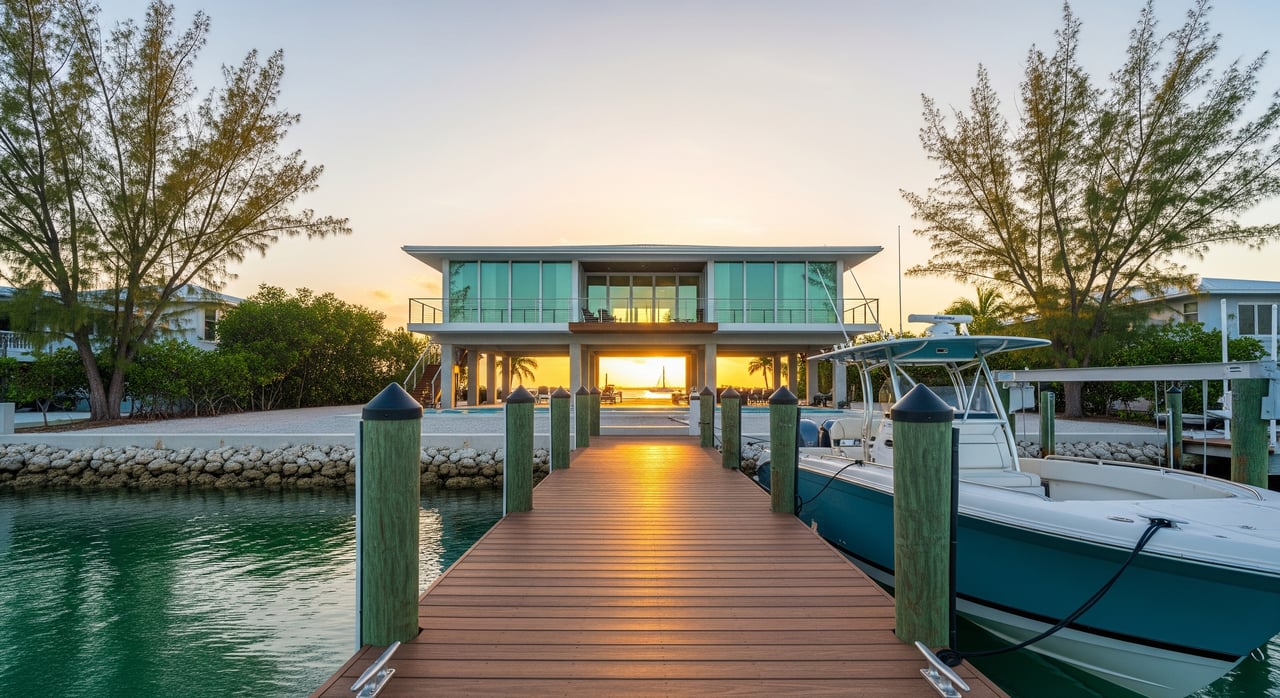
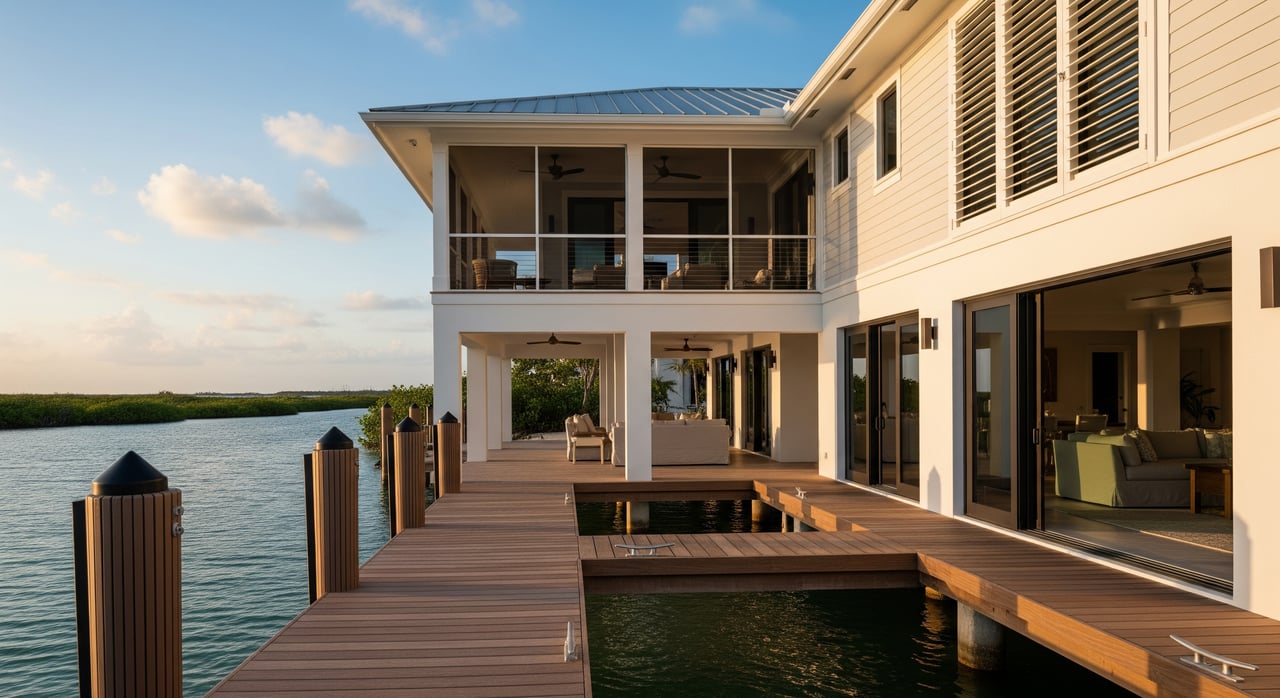
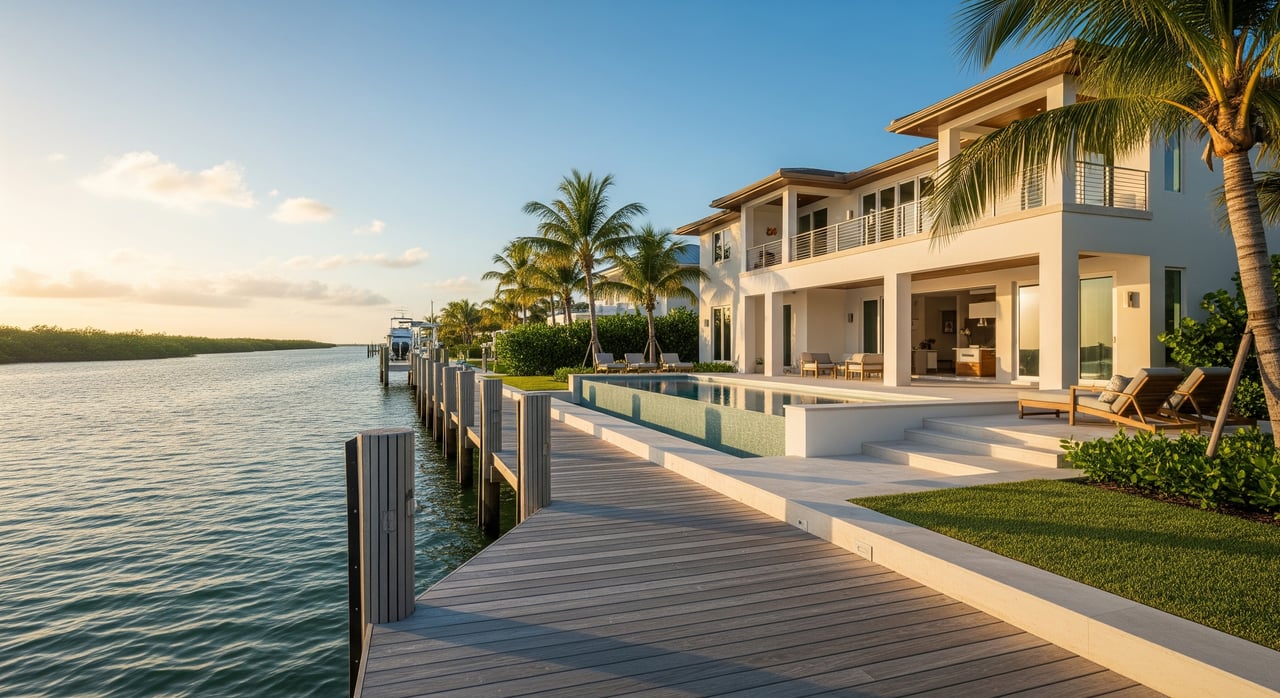
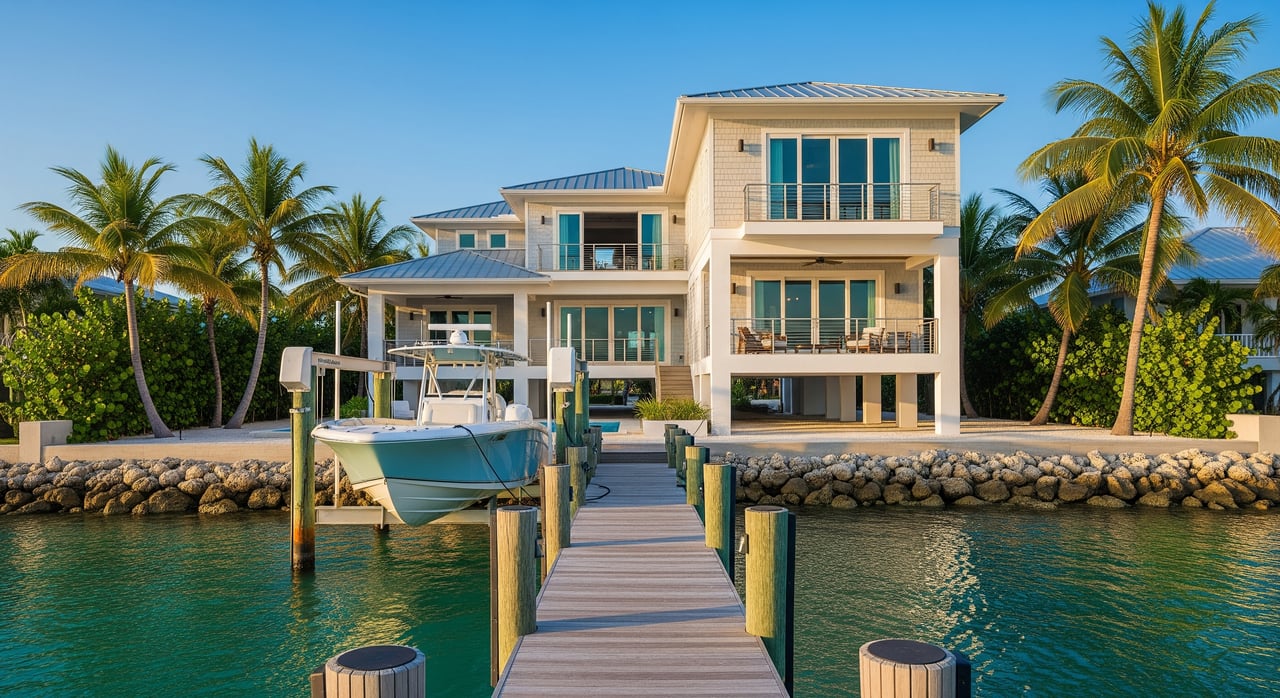
In the Lower Keys, lifestyle sells. Clear water views, dockage, outdoor kitchens, and breezeways deserve top billing. Plan media on calm days for smooth water and blue skies, and use twilight images if they enhance your setting.
- Feature canal, bay, or open-water angles that showcase access and vistas.
- Balance lifestyle shots with practical details like storage, parking, and boat clearance.
- Include relevant documentation in your digital listing packet to answer common insurance and flood questions.
Showing strategy and travel logistics
Many buyers tour multiple islands on a tight schedule, often coming from the mainland or Key West. Prioritize weekend availability in high season and keep weekday showings flexible. Allow extra lead time for inspections and appraisals, since vendors may travel from outside the Keys.
Good access and simple instructions matter on smaller islands. Ensure gates, lifts, and dock lighting are functional so buyers can see key features quickly and safely.
Pricing with seasonal data
Winter can support more confident pricing if inventory is lean and demand is strong, but always ground your strategy in fresh comps. Ask your agent for seasonal data like months of supply, days on market by month, and list-to-sale trends for the Lower Keys. For broader context on market cycles, see resources from the National Association of Realtors and Florida Realtors, then calibrate with current local MLS figures.
The bottom line for Big Torch Key sellers
If you want the widest buyer pool, aim to list between late fall and early spring, avoiding major holidays. Spring can still work well, especially if you want to close before summer weather and the more active storm months. Summer requires extra care on pricing, preparation, and logistics, but it can deliver if inventory is thin and you position the property well.
If you are weighing timing or want a Keys-specific prep plan, connect with a local, construction-informed pro. For a tailored strategy, instant valuation, and a concierge vendor network, reach out to Christopher Tanaka.
FAQs
When is the best time to list in Big Torch Key?
- For most sellers, late October or November through March captures the largest buyer pool and the most comfortable showing conditions.
Is spring a good time to sell in the Lower Keys?
- Yes, April to June can work for buyers who missed winter, but plan around the start of hurricane season and a gradual drop in seasonal traffic.
Should I avoid listing during hurricane season?
- You do not have to avoid it entirely, but June through November adds weather and insurance variables, so build in extra lead time and keep documents ready.
What should I prepare before listing near the water?
- Gather your elevation certificate, flood zone details, wind mitigation info, permits for docks or seawalls, and any recent inspection reports to reduce buyer friction.
How do showings work for out-of-area buyers in the Keys?
- Many buyers tour multiple islands over a few days, so prioritize high-season weekends, keep access simple, and pre-schedule inspectors and appraisers.
Where can I check flood maps for my property?
- You can review flood zones and maps at the FEMA Flood Map Service Center and consult your agent for interpretation and insurance guidance.