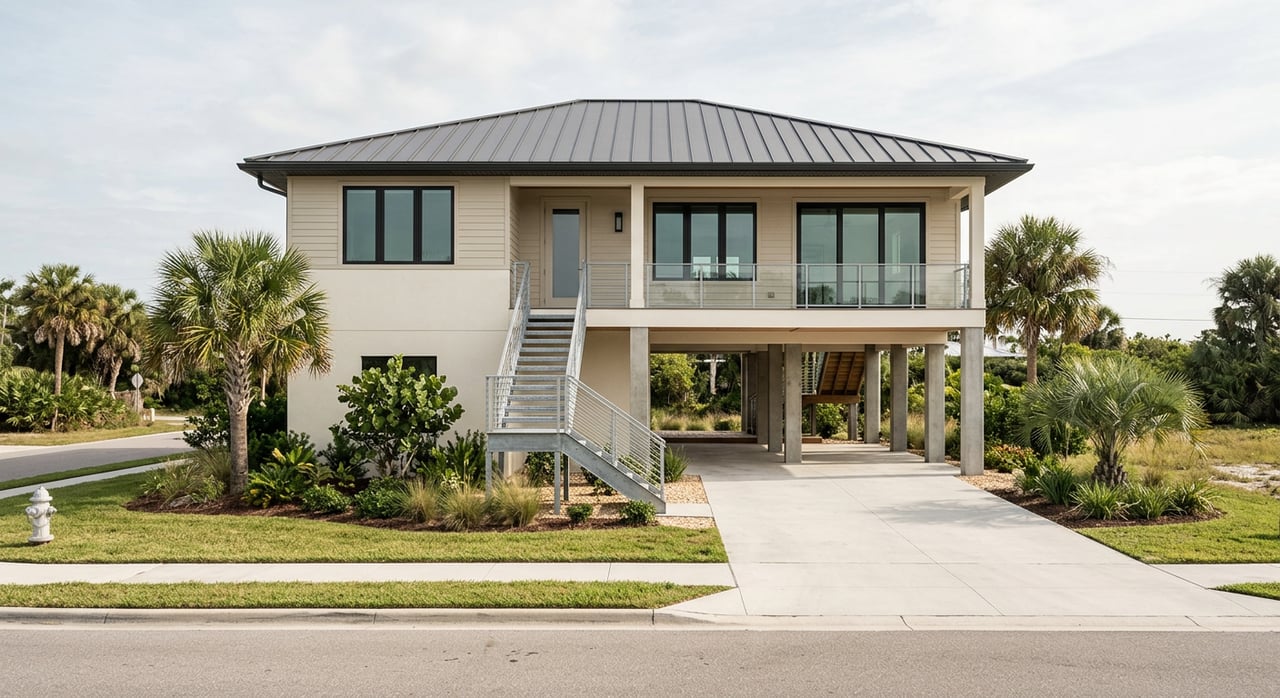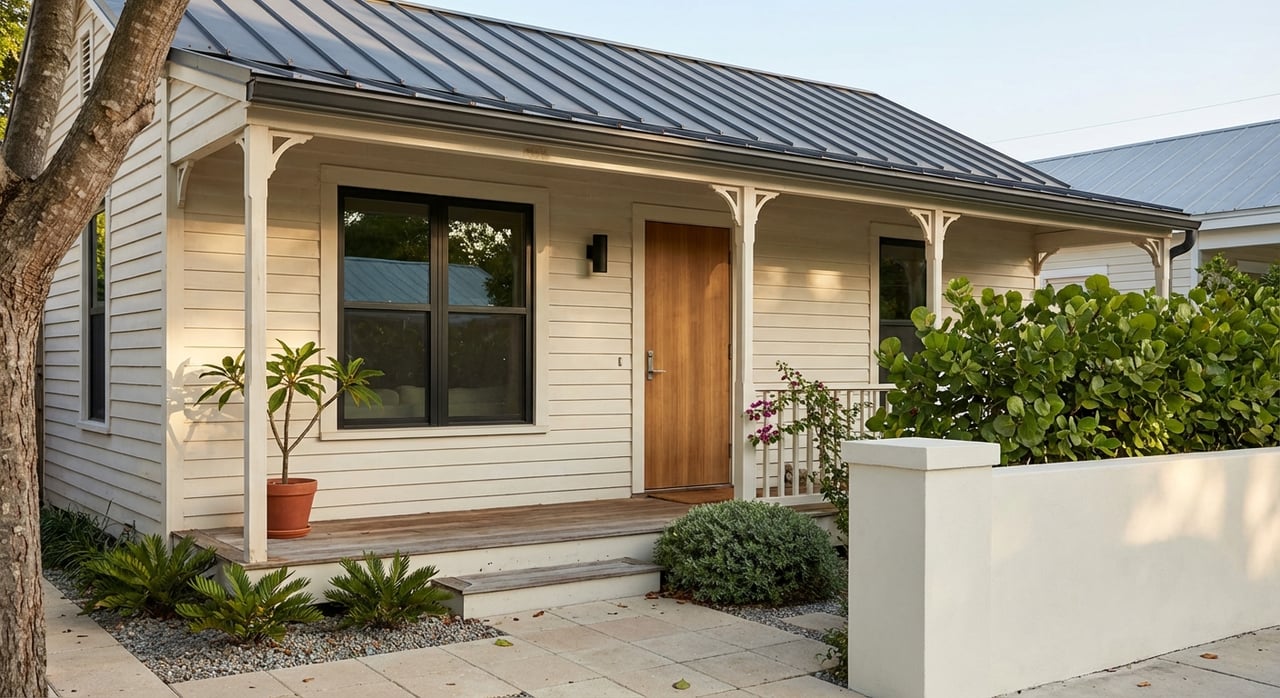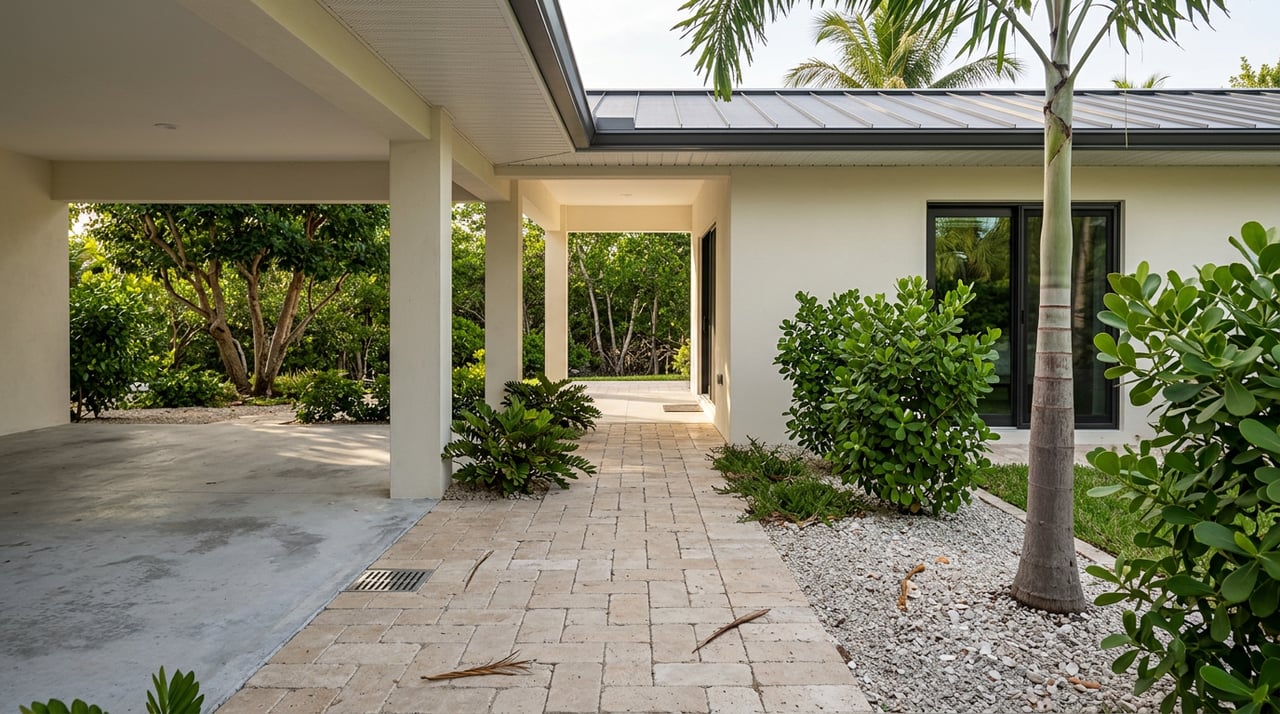
If you dream of idling your skiff from a backyard dock to the reef in the morning and taxiing your plane to a private runway by afternoon, Summerland Key may be your perfect base. You want easy water access, a low‑stress pilot routine, and real‑world conveniences without the crowds. In this guide, you’ll see how Summerland Key is set up for both boaters and pilots, what daily life looks like, and what to verify before you buy. Let’s dive in.
Where Summerland Key Fits
Summerland Key sits in the Lower Florida Keys around Mile Marker 25 on the Overseas Highway. It is often described as midway between Marathon and Key West and about 20 to 25 miles from Key West by road. You have a single main road for errands and commuting, with local stops on island and larger services a short drive away. For exact location context, review the island’s placement along US‑1 as noted on Summerland Key’s overview.
Boating Life on Summerland Key
Canals and draft at your dock
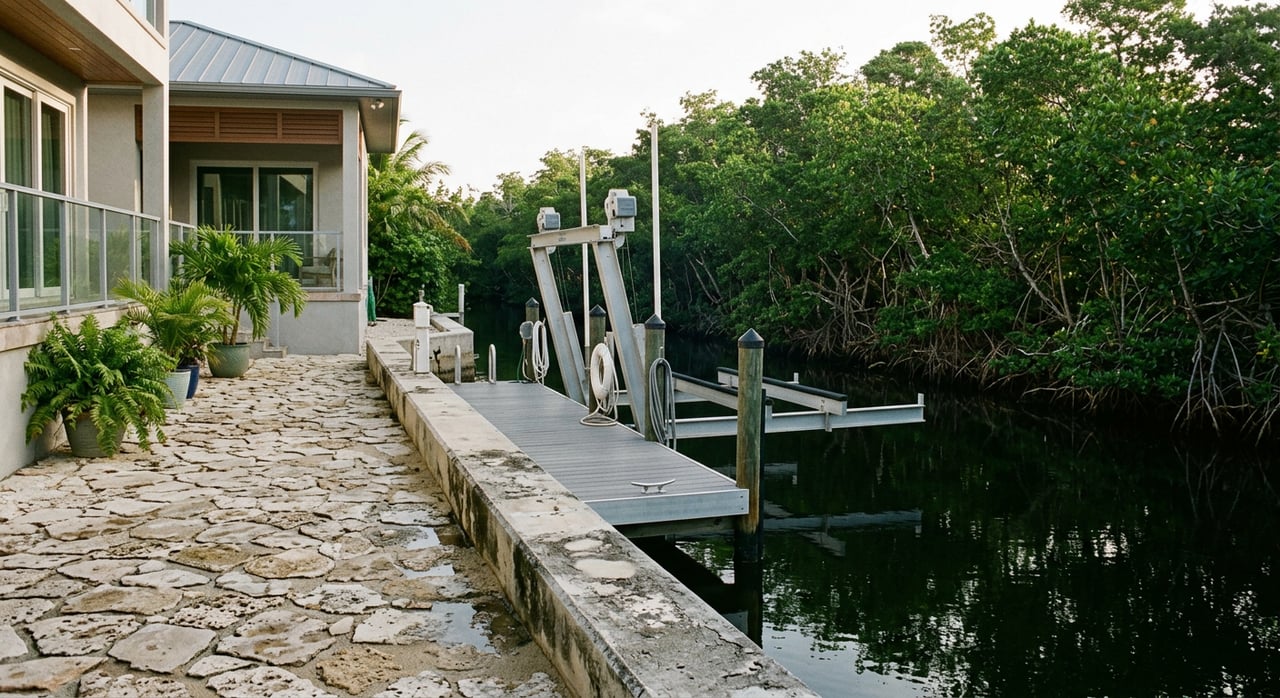
Summerland Key is known for wide, flow‑through canals behind many homes. These canals typically support about a 3 to 4‑foot usable draft, which suits flats skiffs, bay boats, and many center consoles on lifts. Larger offshore boats often berth at full‑service marinas on neighboring islands. Always check the depth at a specific property’s dock and confirm any shared marina rights or HOA rules before you buy.
Ramps, slips, and marine services
Most dockage on Summerland is private or part of neighborhood marinas. County records list local private marina infrastructure serving the area, and many properties include dock, lift, or shared ramp options. For documentation on marina assets around the island, see Monroe County’s planning reference on local marina infrastructure and resilience. If you want a slip tied to the aviation community, the airport has promoted an on‑site marina concept that aligns boating and flying; you can explore the airport’s marina project details to understand the vision and slip amenities.
Full mechanical service, fuel, and haul‑out are more commonly handled at larger marinas off island, including nearby Cudjoe or Marathon. Plan your fueling and maintenance routine around your vessel size and preferred cruising grounds.
A day on the water
A simple routine here starts with a tide and weather check, then a quick run to the flats, patch reefs, or the reef line. Looe Key, part of the Florida Keys National Marine Sanctuary, is within easy range for snorkeling and diving. To plan reef days responsibly, review NOAA’s summary of Looe Key’s protected designation.
Rules that protect the water
The sanctuary has marked Sanctuary Preservation Areas, mooring buoys, and anchoring limits designed to protect corals. Use moorings where provided and follow posted rules to avoid damage. These regulations keep reef trips enjoyable and sustainable for everyone.
The Fly‑In Community at FD51
Field basics pilots appreciate
Summerland Key Cove Airport is a private‑use general‑aviation field identified as FD51 with a paved runway 12/30 of about 2,550 feet. Prior permission is required to land, and pilots should use the published CTAF and pattern guidance. The field is oriented to small GA operations with limited on‑site services. For current runway specs and communication details, check the FD51 airport entry.
Hangar homes and taxi access
The runway is bordered by residential lots and hangars, forming a true fly‑in neighborhood. Several properties allow owners to taxi directly between runway and private hangar. The airport community outlines how the neighborhood and procedures fit together on its site; start with the airport’s overview and operations page before planning any arrival or property purchase.
How pilots use the field day to day
Treat FD51 like a well‑run private strip. You get permission from the airport manager before your first arrival, check NOTAMs, and confirm any fueling or maintenance plans off site. The airport notes it is not suitable for jets or large multi‑engine turboprops, so most owners fly single‑engine pistons, light twins, or appropriate personal turboprops subject to aircraft performance and operator judgment. Keep pattern work to daylight, use the published frequencies, and follow the airport’s SOP.
Everyday Living: Food, Errands, Community
Groceries and dining
For day‑to‑day shopping, Murray’s Market on the highway is the island’s primary grocery stop. You can confirm location and details through Murray’s Market listing info. Local dining favorites include Mangrove Mama’s and Tonio’s Seafood Shack & Tiki Bar, with more options a short drive up or down US‑1. Many residents keep a flexible routine, shopping locally and making periodic runs to Marathon or Key West for specialty items.
Schools, mail, and health services
Sugarloaf School serves PK–8 students in the area, while high schoolers typically travel to larger Keys towns. Summerland Key also has a USPS post office at 24700 Overseas Hwy; you can review Florida Keys operational updates via USPS regional communications. For emergency and hospital care, residents look to facilities in Marathon and Key West, with Monroe County coordinating regional emergency services.
Internet and utilities
Internet availability varies by parcel, with many listings noting high‑speed or satellite options. Utilities and wastewater systems also vary by neighborhood. If you are evaluating a specific lot or home, verify service types, connection details, and any HOA or special district requirements.
Weather, Risk, and Buyer Due Diligence
Hurricane season and evacuation
Atlantic hurricane season runs June 1 through November 30, and the Overseas Highway is the primary evacuation route for the island chain. Review the seasonal outlooks and preparedness guidance through NOAA’s hurricane season overview, then map out your family’s plan well before summer.
Marina and vessel storm policies
Marina contracts include written hurricane procedures that may require you to haul or relocate your vessel. Florida statute outlines specific rights and responsibilities for marinas during storm preparation. Before you sign a slip agreement, read the policy language and skim the relevant sections of Florida boating statutes, Chapter 327.
Airport operations and access rights
FD51 is private‑use, so you need permission to land and you should confirm the airport’s current SOP, run‑up or pattern notes, and any membership or easement requirements tied to a property. For runway and communication details, refer to the current FD51 airport entry and contact airport management directly before any first arrival.
Flood, insurance, and resilience planning
Canalfront and oceanfront parcels are often in FEMA flood zones and may carry higher insurance costs and construction requirements. Monroe County’s resilience planning notes vulnerabilities around marinas, the airfield, and the Overseas Highway. As you evaluate a property, review county materials such as the marina and infrastructure resilience overview, consult your insurance professional, and order a thorough title and survey package.
Who Summerland Key Fits
- Boaters who want quick access to flats, patch reefs, and the reef line, with a private dock or lift right at home.
- Pilots seeking a true fly‑in neighborhood with an established private airstrip and hangar home options.
- Buyers who value a quiet Lower Keys base with local groceries, restaurants, and easy drives to Marathon or Key West for specialty services.
- Owners who appreciate clear rules on reef protection and are comfortable planning around hurricane season.
Smart Next Steps
- Walk candidate lots at low tide and take simple soundings at the dock to verify usable draft for your boat.
- Review any HOA or community documents covering docks, lifts, and ramps, and get marina slip contracts in writing with hurricane provisions.
- For hangar homes, confirm recorded easements, airport membership requirements, and property‑specific taxi rights with the airport and title company.
- As a pilot, request a briefing from the airport manager before any first arrival at FD51 and review the field’s operating notes.
- Map out your daily routine for groceries, dining, school logistics, and health care, then tour at different times of day to confirm drive times.
Ready to explore canalfront or hangar‑home options with a local, construction‑savvy guide? Reach out to Christopher Tanaka for a consult and on‑the‑water, on‑the‑ground insight tailored to how you boat and fly.
FAQs
Can I run a boat from my backyard dock on Summerland Key?
- Many homes have private docks or community marina access, and local canals often support a 3 to 4‑foot usable draft. Larger offshore boats typically use full‑service marinas on nearby islands. Always verify depth and slip rights for the specific property.
What aircraft can use Summerland Key Cove Airport (FD51)?
- FD51 is a private‑use, paved GA strip of about 2,550 feet, suited to most small pistons and light twins. The airport states it does not safely support jets or large multi‑engine turboprops. Prior permission is required, so get a briefing before arrival.
How close is Looe Key reef for snorkeling or diving?
- Looe Key is within an easy range for a day trip by boat from Summerland Key. Use sanctuary moorings where provided and follow posted rules to protect the reef.
Where do I handle fueling and repairs for my boat?
- Many owners use larger marinas in nearby Cudjoe or Marathon for fuel, haul‑out, and major service. Around Summerland, most slips are private or part of neighborhood marinas; get current availability and policies in writing.
What should I plan for during hurricane season in the Lower Keys?
- Season runs June 1 through November 30. Create an evacuation and haul plan early, follow Monroe County guidance, and confirm your marina’s written hurricane policy and your insurance requirements.
Are there schools and basic services on Summerland Key?
- Sugarloaf School serves PK–8 students in the area, the island has a USPS post office, and everyday errands are handled locally. For hospitals and specialty care, plan short drives to Marathon or Key West.