Buying or selling on Ramrod Key can feel like learning a new language. Waterfront, BFE, deeded dock, VE zone — the terms stack up fast, and each one affects value, insurance, and your day‑to‑day life in the Keys. You want clear answers so you can protect your budget and move forward with confidence. In this guide, you will learn what the most common listing terms actually mean on Ramrod Key, why they matter, and how to verify the details before you sign. Let’s dive in.
Ramrod Key context
Ramrod Key sits in the Lower Florida Keys, where Monroe County regulates most land use, permitting, shoreline work, and flood compliance. Listings here focus on marine access, elevation, and the condition and permitting of docks and seawalls. Buyers often prioritize insurability, permit history, and whether a property is on septic or connected to sewer.
Because the island is coastal, you also see federal and state layers that affect what you can build or repair. FEMA flood mapping drives insurance and elevation rules. State oversight can apply to docks and any work near mean high water, and certain oceanfront areas may fall under the Coastal Construction Control Line. Knowing how these layers show up in listings will save you time and money.
Ramrod Key listing glossary
Waterfront vs water type
“Waterfront” covers any property next to navigable water. On Ramrod Key, confirm if it is oceanfront, gulffront, bayfront, or canal‑front. Water type affects wave exposure, docking options, and insurance.
Canal‑front and access
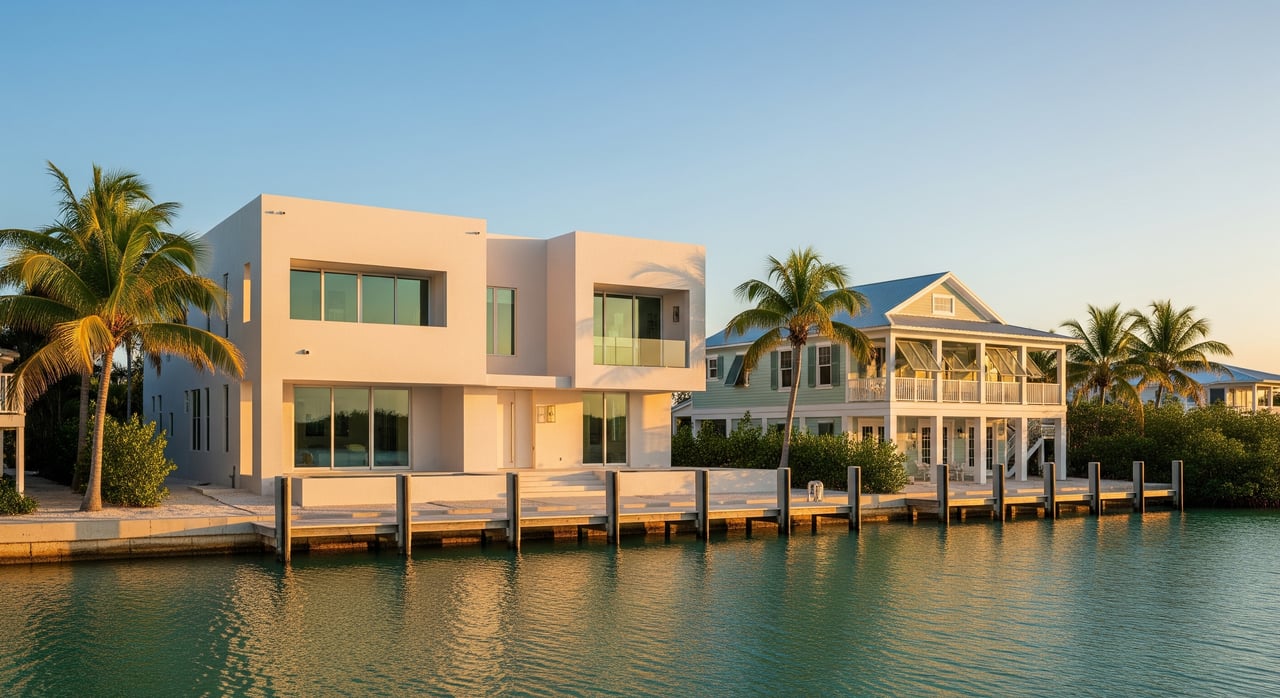
Canal‑front means your lot backs to a canal. Ask about direct access to open water, fixed bridge clearances, and typical canal depth. These details affect boat size, route, and value.
Deeded dock
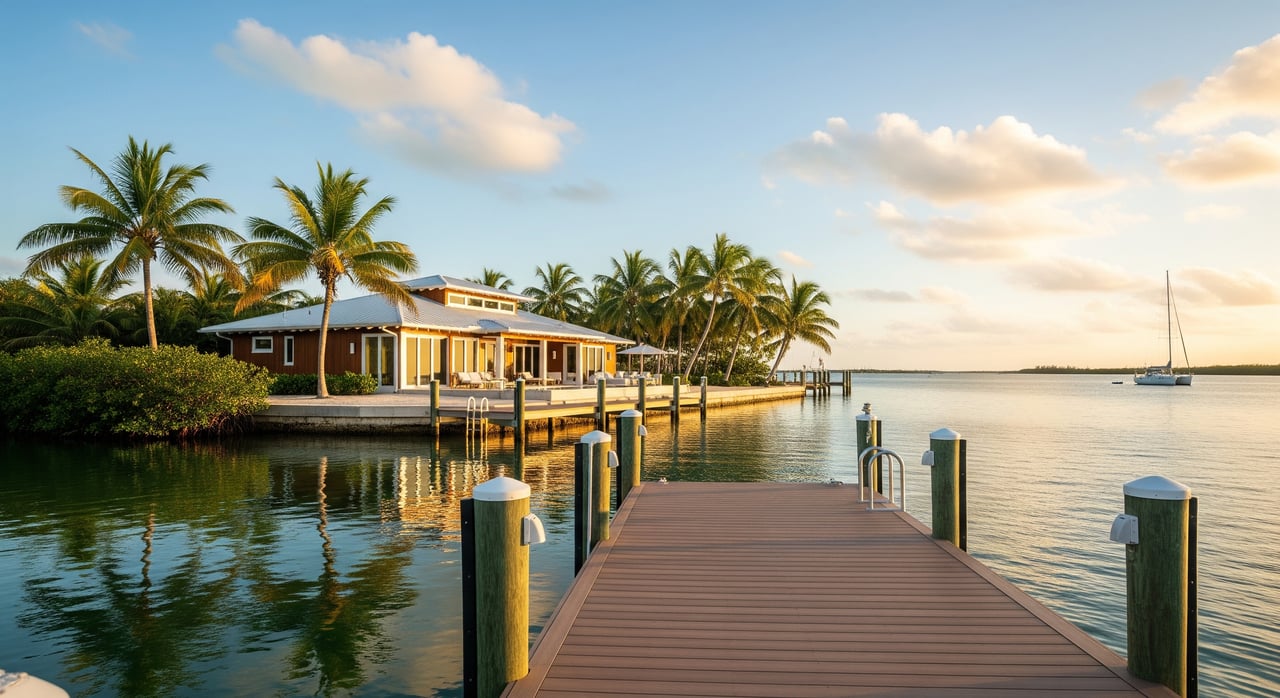
A deeded dock is included with the property in the recorded deed. Verify permits and any state submerged land lease. A deed can grant access, but an unpermitted dock can still trigger compliance issues.
Dock permit status
“Dock permit” or “valid dock permit” indicates the structure has county or state approvals. Without proper permits, you may face removal or retroactive permitting. Confirm electrical for lifts and lighting as part of your review.
Seawall, bulkhead, or riprap
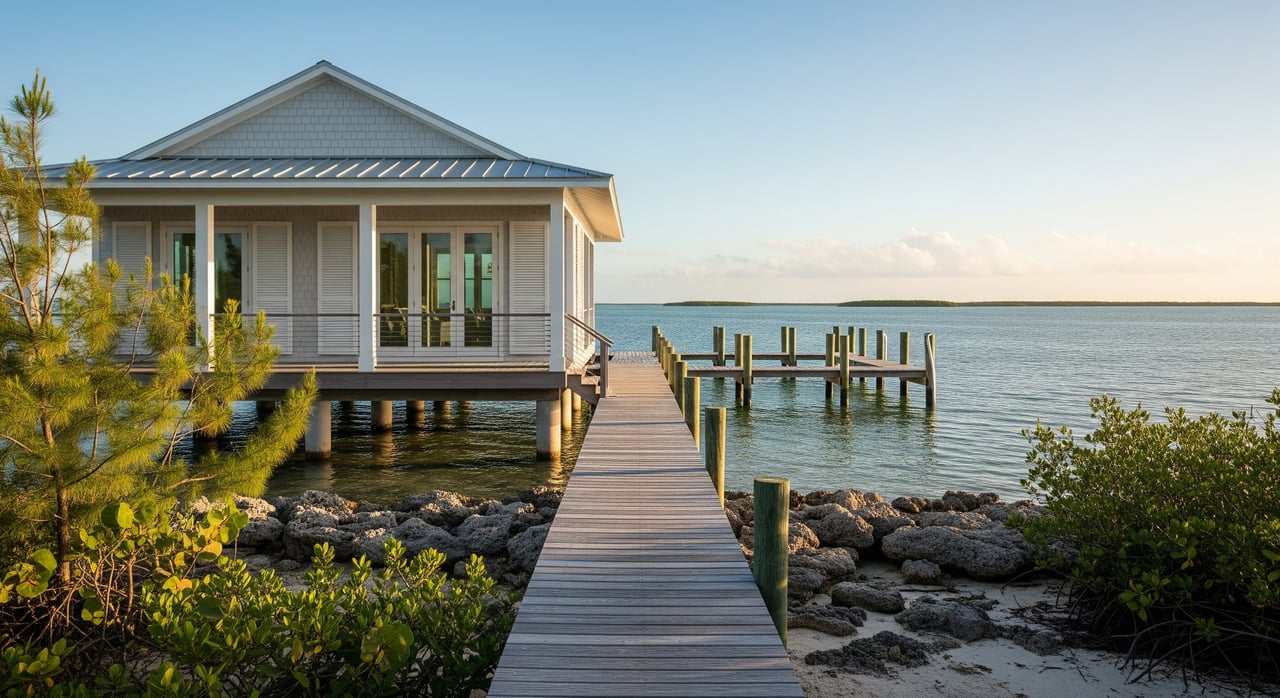
These are shoreline stabilization methods. Inspect the condition and ask for permits and repair records. Failed seawalls can be costly and may impact insurability and access.
Boat lift or davits
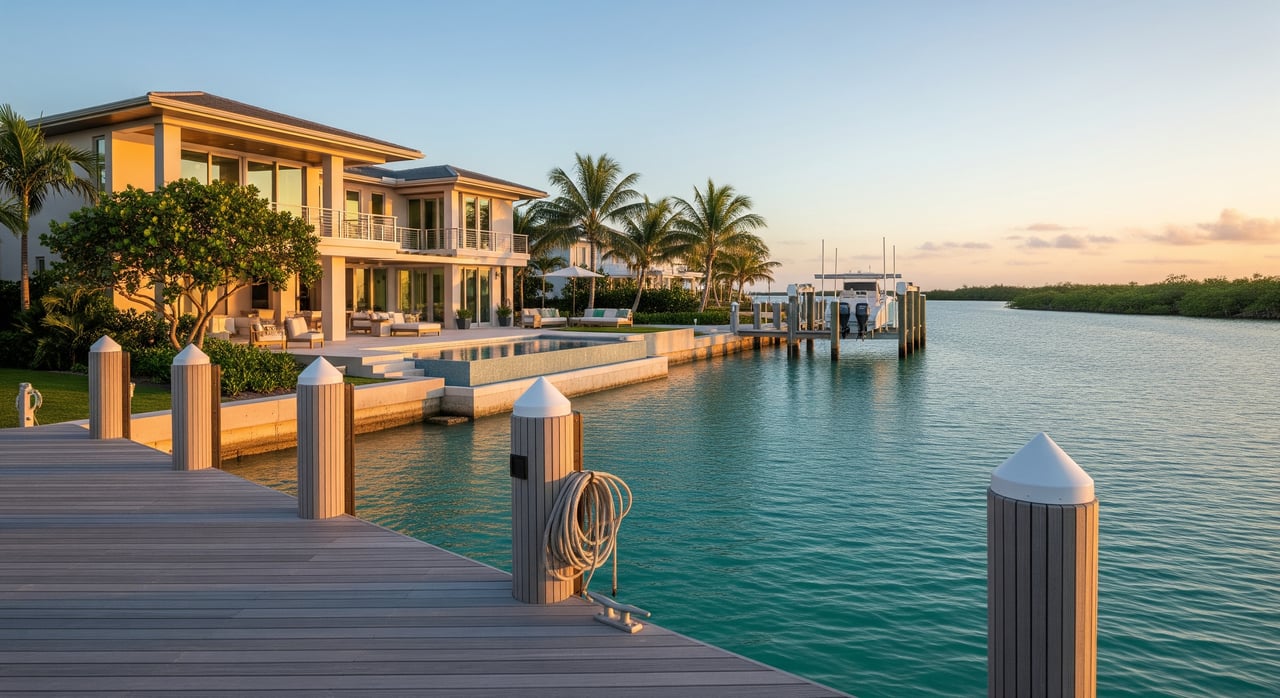
Lifts and davits are mechanical hoists for boats. They are sometimes excluded from standard home inspections and are not always included in the sale. Confirm inclusion and have a marine specialist inspect them.
Elevation certificate
An elevation certificate shows the building’s elevation relative to Base Flood Elevation. Lenders and insurers rely on it to price flood risk. Ask for the most recent copy early in your process.
FEMA flood zones: AE vs VE
AE is a high‑risk flood zone without breaking wave exposure. VE is a coastal zone with velocity wave action and typically higher premiums. Your zone, plus your finished floor elevation, drives flood costs.
Base Flood Elevation and freeboard
BFE is the modeled height of a 1 percent annual chance flood. Listings sometimes note freeboard, which is how many feet the lowest floor sits above BFE. More freeboard can reduce flood premiums.
Upland area and MHW
“Upland” is the dry, buildable land above mean high water. Boundaries near water often reference the mean high water line, which helps separate private land from state‑owned submerged lands. This can affect where docks and seawalls are allowed.
As‑is
“As‑is” means the seller will not make repairs. In the Keys, that signals the need for thorough inspections for storm, moisture, and structural issues, along with a deep permit review.
Septic vs sewer
Some Lower Keys homes still use septic. Others are connected to county wastewater systems. Septic age and condition matter, and sewer availability can affect costs and timing for upgrades.
Why these terms matter
- Insurance and financing: Flood zone, elevation, and wind mitigation drive availability and price for flood and windstorm insurance. Lenders will ask for your elevation certificate and may require certain coverages.
- Buildability and use: Upland size, mean high water, and any CCCL restrictions affect where you can build or repair. Dock and seawall permits shape future improvements.
- Access and lifestyle: Canal depth, bridge clearance, and seawall condition dictate boat size and how often you can get out on the water.
- Budget and maintenance: Seawall or dock repairs, septic upgrades, and compliance fixes can run high. Clear terms help you plan for the true cost of island ownership.
Buyer due diligence checklist
- Request the current elevation certificate and compare finished floor height to BFE.
- Confirm FEMA flood zone and get quotes for flood and wind insurance before you commit.
- Obtain a recent property survey that shows lot lines, upland area, and shoreline features.
- Review dock and seawall permits, plus any state submerged land lease documents.
- Order inspections: general home, structural, marine dock and lift, and mold and moisture.
- Verify sewer connection or schedule a septic inspection and maintenance records.
- Pull permit history for additions or repairs and confirm final approvals and CO, if applicable.
- Review title for easements, access rights, and any leasehold interests tied to docks.
- Check road access for recurring tidal flooding during storms or king tides.
Seller prep checklist
- Provide your elevation certificate, FEMA flood zone, and any wind mitigation reports.
- Share a clean property survey with improvements and shoreline features marked.
- Compile dock, lift, and seawall permits, plus maintenance or repair receipts.
- Include permit records for remodels, additions, and final inspections or CO.
- Confirm sewer connection or provide recent septic inspection documentation.
- Disclose any prior storm repairs and insurance claims with supporting records.
- Provide HOA or POA rules if applicable, along with contact details and fees.
- Verify no outstanding code violations or liens with the county.
Where to verify details
- Monroe County Property Appraiser for parcel data and lot dimensions.
- Monroe County Planning and Environmental Resources for permits, zoning, shoreline rules, and code enforcement.
- Monroe County Clerk or Recorder for title documents and recorded easements.
- FEMA Flood Map Service Center for flood zones and Base Flood Elevation.
- Florida Department of Environmental Protection for CCCL and coastal permits.
- Florida Fish and Wildlife Conservation Commission for mangrove and habitat rules.
- Florida Keys Aqueduct Authority for water service and wastewater connections.
- Keys Energy Services for electric service and storm‑hardening information.
- NFIP and licensed insurers for flood and wind coverage options and rates.
Local tips for Ramrod Key
- Check canal depth and bridge clearance against your boat specs, not just a listing’s general claim of “ocean access.”
- Walk the seawall during low tide to look for erosion, cracking, or scouring at the toe.
- Match dock and lift capacities to your vessel and confirm the electrical is permitted and properly grounded.
- Review permit history for any post‑hurricane work and match it to visible repairs.
- Ask about septic pump‑out schedules or proof of sewer connection, then budget accordingly.
Ready to move with clarity? For a practical, Keys‑savvy plan to buy or sell on Ramrod Key, reach out to Christopher Tanaka for local guidance, construction‑informed insights, and a smooth, concierge experience.
FAQs
What does AE vs VE flood zone mean for Ramrod Key homes?
- VE has coastal wave action and usually higher premiums and stricter elevation requirements than AE. Exact costs depend on your elevation certificate and insurer.
Does “deeded dock” guarantee legal docking in the Lower Keys?
- Not by itself. Verify county permits, any state submerged land lease, and title details to confirm legal rights and compliance.
How important is an elevation certificate for Ramrod Key buyers?
- It is critical for flood insurance pricing and lender underwriting, so request it early and review finished floor height relative to BFE.
Are short‑term rentals allowed on Ramrod Key?
- Rules are set by Monroe County and can change, and associations may add limits, so verify current county regulations and any HOA restrictions.
Who is responsible for seawall or dock repairs on a canal‑front lot?
- It depends on deed terms, easements, and any association rules. Many upland owners are responsible, but shared or community facilities can split costs.
Can I trim mangroves or add a new lift at my Ramrod Key home?
- Mangroves and coastal habitats are protected, and docks and lifts often need county and possibly state permits, so confirm requirements before any work.