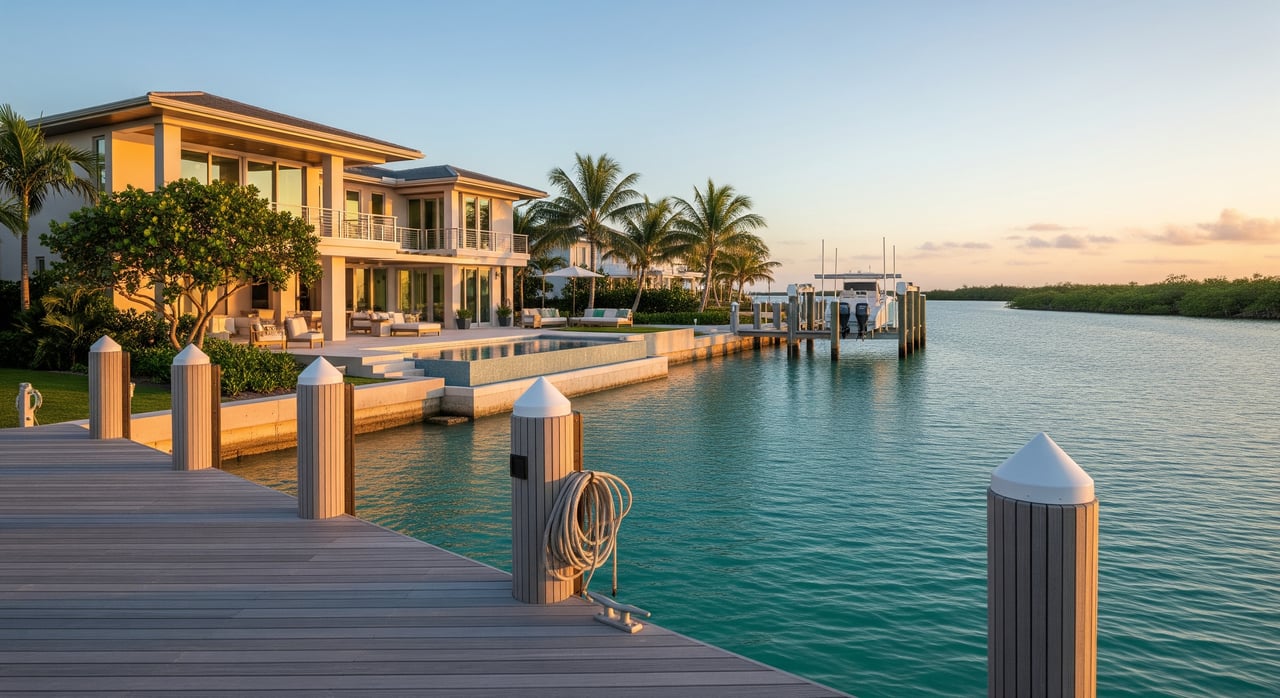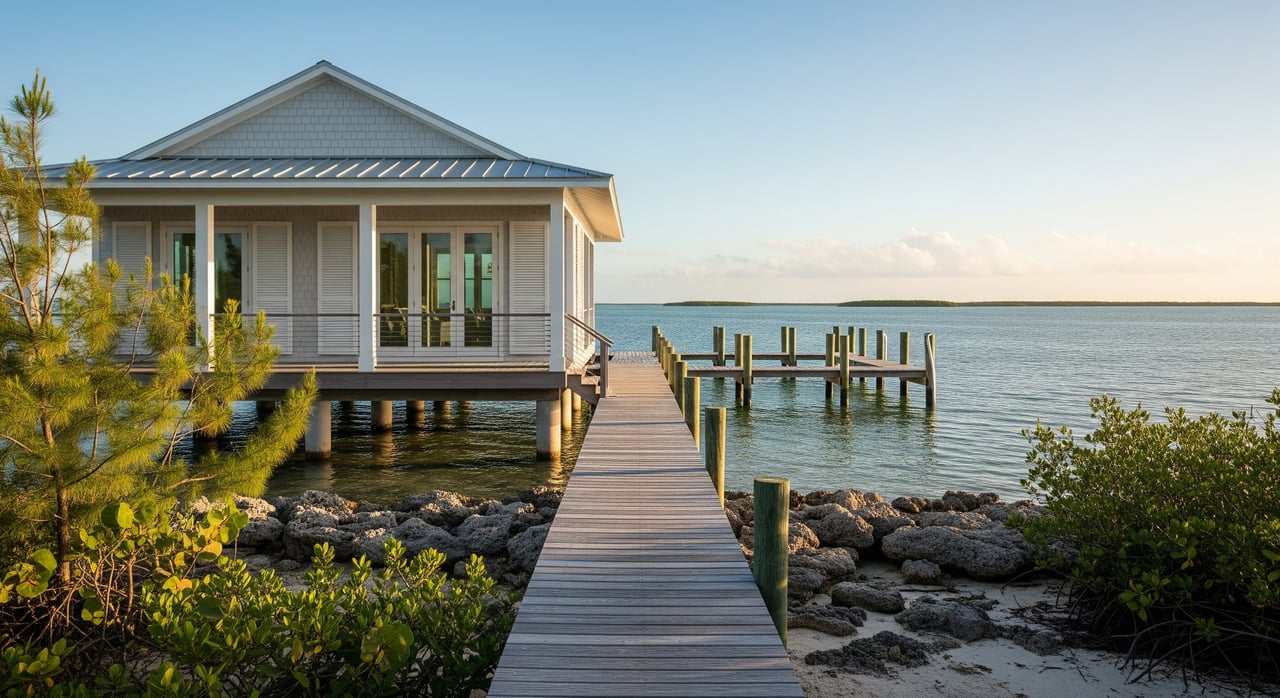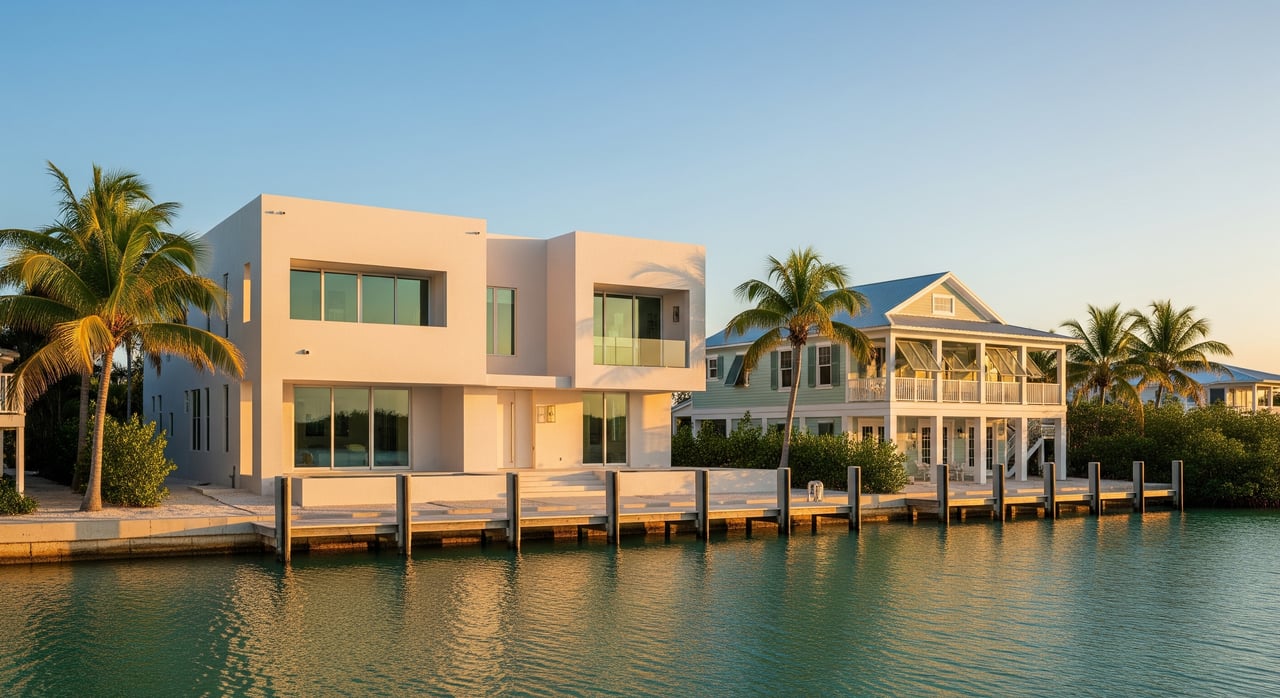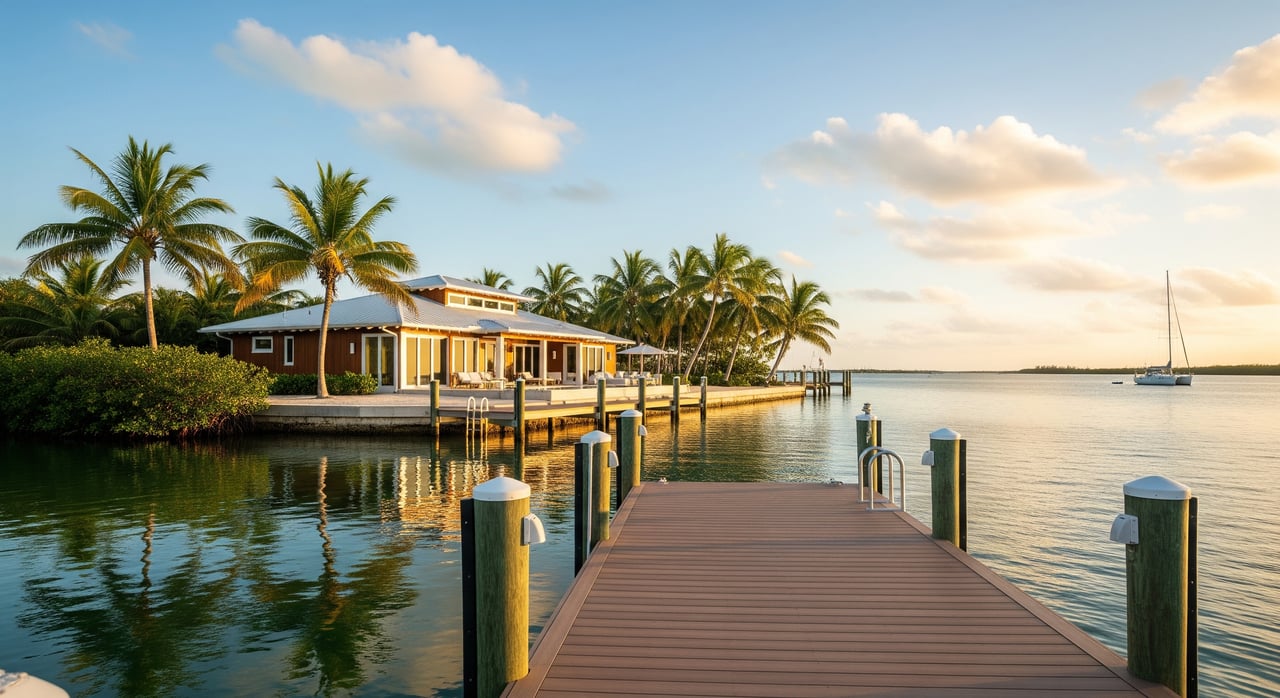
Thinking about a waterfront home in Little Torch Key but not sure if open water or canal-front is the better fit? You are not alone. Both options offer a slice of the Lower Keys lifestyle, yet they feel different day to day and carry different costs and responsibilities. In this guide, you will learn how boating access, exposure to storms, permits, insurance, and maintenance differ so you can buy or sell with confidence. Let’s dive in.
Little Torch Key waterfront basics
Little Torch Key sits in the Lower Florida Keys with lots that are often narrow and long, bordered by mangroves and shallow seagrass flats. Tides are small, yet tidal currents, shoaling, and bottom contours matter for navigation. Waterfront homes here typically face either open water leading more directly to larger channels or canal systems that connect to broader waterways.
The local climate includes a real risk of tropical storms and hurricanes. Surge, wind, and saltwater exposure shape how you use and maintain a property over time. Sea level rise in South Florida is measurable and affects long-term flood risk and insurance costs, which is important to consider in your budget and resale timeline.
Open-water homes: pros and trade-offs
Boating access and depth
Open-water frontage usually gives you more direct navigation to deeper channels and offshore waters. That can mean shorter runs to fishing grounds and routes used by larger boats. Water at the shoreline is often deeper than in interior canals, but depth still varies by specific site, seasonal shoaling, and the area’s dredging history.
Exposure, waves, and views
The same exposure that delivers wide water views also brings more wind, wave action, and boat wake. Larger fetch increases the chance of wave chop at the dock, and open shorelines experience more surge during major storms. You will likely enjoy panoramic vistas with fewer trees blocking the view, but you will also have higher visibility to passing boats and neighbors.
Insurance and long-term risk
Open-water properties can fall into higher-risk FEMA flood zones such as V or VE. Flood insurance in those zones is often more expensive than AE or A zones because of wave action and surge risk. Wind insurance costs depend on the home’s construction and exact location. It is wise to get quotes early and review elevation certificates since changing maps and sea level trends can affect future premiums and retrofit needs.
Canal homes: pros and trade-offs
Navigation and boat size
Canal-front lots connect to larger channels but may involve narrow or shallow runs that increase your travel time. Some canals limit boat size, draft, or mast height, and fixed bridges or low-clearance sections can be factors. Shoaling can occur over time, so confirm depth at mean low tide and ask about any past dredging.
Shelter, privacy, and noise
Canal homes are more sheltered from wind and waves compared to open water. That often means a quieter dock and less daily wear on boats and structures, though regional surge risk still applies during major storms. Vegetation such as mangroves can provide more screening, which some owners prefer for privacy.
Maintenance and dredging
Canal depths depend on historic dredging and ongoing sedimentation. Some owners eventually face dredging needs, which can be costly and require multiple permits. The upside is that calmer water can reduce dock wear compared to exposed shorelines, and canal docks may be shorter because they do not need to reach deeper water.
Permits and environmental rules that shape what you can do
In the Keys, waterfront improvements often require review by multiple agencies. Before you plan a new dock, seawall work, a lift, or dredging, check with:
- Monroe County Building and Permitting Division and the Land Authority for dock, seawall, and shoreline permits.
- Florida Department of Environmental Protection for Environmental Resource Permits and coastal construction requirements.
- Florida Fish and Wildlife Conservation Commission for protections related to fisheries, seagrass, and boating rules.
- U.S. Army Corps of Engineers if work will involve dredging, filling, or structures in navigable waters.
- FEMA for flood maps and elevation certificate needs tied to insurance and compliance.
Common issues to verify on any waterfront lot include recorded permits for existing docks or seawalls, the legal status of any structures over state-owned submerged lands, and restrictions from HOAs or covenants that limit boat types or dock size. If your route to open water includes fixed bridges, note the clearances because mast height and T-top height matter. Also confirm whether the property is on sewer or septic and whether a connection is required.
Mangroves and seagrass are protected. Trimming or removal usually requires permits and is limited. Many shorelines encourage living shoreline approaches rather than new hardening, so ask early about what is feasible on your site.
Cost and upkeep snapshot
Here is how recurring and one-time costs often differ in practice:
- Insurance: Flood coverage is required with a federally backed loan if you are in a mapped flood zone. Open-water lots in V or VE zones often see higher premiums than AE or A zones. Wind policies are a significant line item throughout the Keys.
- Docks and seawalls: Open-water docks face more wave energy and may need heavier construction and more frequent repairs. Canal docks are more sheltered but can face sedimentation and canal maintenance realities over time.
- Dredging and depth: Canal owners may confront shoaling and the need for dredging, which is expensive and heavily regulated. Open-water owners can still see local shoaling and should verify depth at mean low tide.
- Storm hardening: Shutters, reinforced openings, elevated mechanicals, and other upgrades help manage storm risk. Open-water exposure can make these upgrades even more important.
- Landscaping and vegetation: Shoreline vegetation management, especially mangroves, involves rules and sometimes added costs.
Financing can be stricter for properties in high-risk flood zones or those with waterward structures. Lenders and appraisers will look closely at elevation, construction type, and permitted improvements. Resale value for open water typically carries a premium for views and access, but buyer perceptions about insurance and climate risk can influence demand over time.
Buyer checklist for showings
Bring a practical lens to your tours. Ask for and verify the following:
- Mean low tide depth at the dock, including any recent depth surveys or notes from a marine contractor.
- Travel time and route to open water, including bridges, fixed clearances, or restricted channels.
- Flood zone designation, elevation certificate status, and preliminary flood and wind insurance quotes.
- Permit history for docks, lifts, and seawalls, plus any unpermitted work.
- Condition of pilings, caps, decking, and seawalls, and any recent shoreline projects.
- Mangrove or vegetation restrictions that affect trimming or views.
- Sewer connection status and any requirements if not connected.
Seller prep checklist
Give buyers confidence with clear documentation:
- Copies of permits and approvals for docks, lifts, boathouses, seawalls, and shoreline work.
- Recent marine survey or measured depth at mean low tide to support advertised boat size.
- Condition report from a qualified marine contractor for docks, pilings, and seawalls.
- Any upland-to-submerged lands lease documents or recorded encroachments.
- Current flood zone info and an elevation certificate if available.
- Photos and distances to the nearest bridges, navigation channels, and marinas.
Which one fits your goals?
Choose based on how you plan to use the water, your boat, and your risk tolerance:
- Pick open water if you want quick access to deeper channels, larger-boat flexibility, and wide views, and you are prepared for more exposure and potentially higher insurance.
- Pick canal-front if you want calmer water at the dock, more shelter and privacy, and potentially lower daily wear, understanding that depth, access routes, and dredging history still matter.
Either way, verify depth, permits, flood zone, and route specifics rather than assuming. NOAA charts, tide tables, county records, and local marine contractors are your best tools for confirmation.
Next steps
If you are weighing open water versus canal-front on Little Torch Key, a site-specific review will clarify the real trade-offs. A quick check of flood zone, elevation, permit history, and route depth can save you time and money. For a practical walkthrough of your short list or a seller prep plan that highlights what buyers value, connect with Christopher Tanaka for local, construction-informed guidance.
FAQs
Do open-water homes on Little Torch Key always have deeper water?
- Not always; canal lots can have usable depth from historic dredging, and some open-water shorelines can shoal, so verify with a depth survey and permit history.
Are flood insurance costs usually higher for open-water properties?
- Often yes if they are in V or VE zones due to wave action and surge risk, but actual premiums depend on elevation, construction, and your insurer’s rating.
Can I expand a dock or dredge to fit a bigger boat on a canal?
- Possibly, but expansions and dredging need multi-agency permits and can be costly and time-consuming, and some properties may not qualify.
Will mangroves limit my ability to open up views or add a dock?
- Mangroves are protected for ecology and shoreline stability; trimming or removal typically requires permits and is limited in scope.
How does sea level rise affect resale value in the Lower Keys?
- It is an increasing factor that can influence insurance, financing, and buyer demand, especially for lower-elevation lots or higher-risk flood categories.